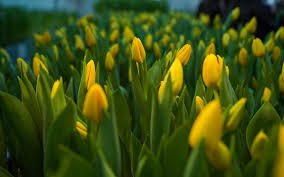
Mongolia’s flower market is blossoming, with imports reaching 12.2 million fresh flowers in 2025, valued at a substantial USD 4.9 million. This surge in demand highlights a growing appreciation for floral gifts within Mongolian culture, particularly around significant occasions like International Women’s Day.
A Peak in Demand: International Women’s Day & Beyond
The demand for flowers in Mongolia traditionally peaks annually leading up to International Women’s Day (March 8th), a time when gifting flowers is a deeply ingrained tradition. This cultural practice fuels a significant portion of the country’s annual flower imports. Early 2026 saw continued steady imports, with approximately one million flowers entering the country during January and February alone, representing a value exceeding USD 350,000.
Ensuring Floral Safety: Regulations & Inspections
Recently, concerns have been raised regarding the safety of imported flowers and potential health risks. Mongolian customs officials have responded proactively, emphasizing stringent safety protocols. All fresh flowers and ornamental plants imported into Mongolia must be accompanied by a phytosanitary certificate issued by the exporting country. These certificates serve as a guarantee of the plant’s health and freedom from pests and diseases.
Upon arrival, all imported flowers undergo rigorous laboratory testing at customs facilities. Only after successfully passing these inspections are import certificates issued, verifying both the origin and safety of the products. This multi-layered approach aims to protect consumers and maintain the quality of imported floral products. Consumers are encouraged to request viewing of these phytosanitary certificates at retail locations to ensure peace of mind.
Where Do Mongolia’s Flowers Come From?
The vast majority of flowers sold in Mongolia originate from China, accounting for a dominant 97.5% of the market share. The Netherlands contributes 2.0% of imports, while smaller volumes are sourced from Ecuador and South Korea. This reliance on a limited number of suppliers highlights potential vulnerabilities in the supply chain.
Interestingly, Türkiye is a significant exporter of flowers globally, having shipped approximately 80 million flowers to 35 countries – primarily the Netherlands and the UK – in preparation for International Women’s Day. While not a direct supplier to Mongolia currently, Türkiye’s robust floral export industry demonstrates the global scale of the flower trade.
The Mongolian flower market continues to evolve, with increasing consumer awareness and a growing emphasis on safety and quality. Continued monitoring of import regulations and diversification of supply sources will be crucial for sustaining this flourishing market.