McDonald’s: More Than Just a Burger
McDonald’s. The name is synonymous with fast food, convenience, and, for many, a nostalgic childhood memory. But the story of McDonald’s is far more complex and fascinating than most people realize. From its innovative beginnings to its current position as a global powerhouse, McDonald’s has consistently reshaped the restaurant industry and left an indelible mark on global culture.
The Early Days: From Barbecue to Burgers
The McDonald’s story begins in 1940 with Richard and Maurice McDonald, who opened a barbecue restaurant in San Bernardino, California. Recognizing that the majority of their profits came from hamburgers, they streamlined their menu in 1948, focusing on a limited selection of items – hamburgers, cheeseburgers, french fries, shakes, and soft drinks. This marked the birth of the “Speedee Service System,” a revolutionary approach to food preparation and delivery that dramatically reduced wait times and lowered prices. This system is considered a precursor to modern fast-food operations.
Ray Kroc and the Franchise Revolution
The real turning point came in 1954 when Ray Kroc, a milkshake machine salesman, visited the McDonald brothers’ restaurant. Impressed by their efficiency and potential, Kroc partnered with them to franchise the concept. Kroc’s vision extended far beyond the original restaurant; he saw the potential for a nationwide, and eventually global, chain. He eventually bought out the McDonald brothers in 1961, solidifying his control and driving the company’s explosive growth.
Innovation and Adaptation: Staying Ahead of the Curve
McDonald’s success isn’t just about speed and affordability. It’s also about continuous innovation. Throughout the decades, the company has adapted to changing consumer tastes and trends. Some key innovations include:
- The Drive-Thru: Introduced in the 1970s, catering to the growing car culture.
- The Happy Meal: Launched in 1979, targeting families and children with a fun, affordable meal and a toy.
- Breakfast Menu: The introduction of the Egg McMuffin in 1972 revolutionized breakfast habits.
- McCafé: Introduced in the early 2000s, responding to the growing popularity of specialty coffee.
More recently, McDonald’s has focused on menu diversification, offering healthier options, salads, wraps, and McCafé beverages. They’ve also embraced technology, with mobile ordering, self-service kiosks, and delivery services becoming increasingly prevalent.
McDonald’s Global Impact and Criticism
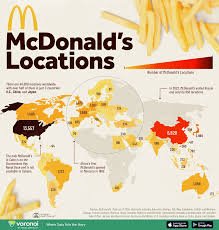
McDonald’s has become a symbol of globalization, with over 40,000 restaurants in over 100 countries. Its impact on local cultures and economies is significant. However, the company has also faced criticism regarding its impact on public health, labor practices, and environmental sustainability. Corporate Watch provides a critical perspective on these issues. McDonald’s has responded to these concerns with initiatives focused on sustainable sourcing, responsible marketing, and employee well-being.
The Future of McDonald’s
Looking ahead, McDonald’s faces new challenges and opportunities. The rise of plant-based alternatives, increasing demand for healthier options, and the growing importance of digital technology will all shape the company’s future. McDonald’s is investing heavily in these areas, experimenting with new menu items, enhancing its digital capabilities, and exploring sustainable practices. The company’s ability to adapt and innovate will be crucial to maintaining its position as a leader in the fast-food industry. Statista provides detailed data on McDonald’s financial performance and market trends.