Canada’s Gun Buyback Program: A Comprehensive Guide
Canadian owners of formerly legal, now prohibited, assault-style firearms have until March 31, 2026, to participate in a federal program offering compensation for surrendering or permanently deactivating their weapons. This initiative, announced by Public Safety Minister Gary Anandasangaree in Montreal, aims to enhance public safety by removing these firearms from Canadian communities.
Key Details of the Program
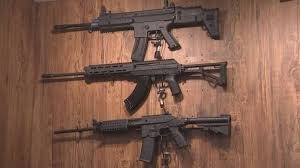
The program is a direct response to the May 2020 ban of approximately 2,500 makes and models of assault-style firearms, including the AR-15, deemed unsuitable for civilian ownership due to their military origins. Minister Anandasangaree emphasized, “Assault-style firearms do not belong in our communities… Prohibiting and removing them is crucial to tackling gun violence and keeping Canadians safe.”
- Declaration Period: Begins Monday, with notifications sent to valid Possession and Acquisition Licence (PAL) holders.
- Submission Methods: Online or by mail.
- Compensation: Distributed on a first-come, first-served basis, subject to available funds. Approximately $250 million has been allocated to compensate owners of an estimated 136,000 firearms.
- Surrender Process: Approved participants will schedule appointments to surrender firearms to the RCMP, local police, or mobile collection units for validation and destruction.
- Amnesty Period Deadline: October 30, 2026. Possession of prohibited firearms after this date may result in criminal charges and licence revocation.
Alternatives to Participation
Gun owners who choose not to participate in the buyback program have alternative options:
- Permanent Deactivation: Deactivate firearms at their own expense.
- Surrender Without Compensation: Surrender firearms to police without receiving payment.
- Exportation: Export firearms with the necessary permits.
Provincial Resistance and Criticisms
The program faces opposition from several provinces, including Alberta, Ontario, New Brunswick, Saskatchewan, and Manitoba, who have stated they will not administer it. Critics, such as the Canadian Taxpayers Federation (CTF), argue the program is costly and ineffective, citing a pilot project in Cape Breton that yielded significantly fewer firearms than anticipated. The CTF advocates for focusing on stopping illegal guns rather than confiscating those from licensed owners. Canadian Taxpayers Federation
Concerns have also been raised by gun owners’ advocates regarding the adequacy of the compensation offered. The Canadian Coalition For Firearms Rights (CCFR) points out that over two million firearms were reclassified as prohibited, while the government intends to compensate owners for only approximately 152,000. Canadian Coalition For Firearms Rights They fear that the budget will be exhausted, leaving the majority of affected owners undercompensated.
Building on Previous Initiatives
This program follows a previous federal pilot project for businesses, which ran from November 2024 to April 2025, resulting in the collection and destruction of over 12,000 prohibited firearms. The 2026 program will encompass firearms prohibited in December 2024 and March 2025, in addition to those banned in May 2020.
Broader Strategy to Reduce Gun Violence
The government emphasizes that the buyback program is part of a larger strategy to combat gun violence, including increased RCMP and Canada Border Services staffing, restrictions on handgun access, and a review of the national firearms classification system.
For more detailed information, please visit the Government of Canada website.