Georgia Property Tax Cuts: A Deep Dive
The Georgia House of Representatives recently rejected a comprehensive property tax cut proposal that would have fundamentally altered how Georgians fund schools and local government services. The debate centers around providing much-needed relief to homeowners grappling with increasing property tax bills, while also ensuring the sustainability of essential public services.
The Core of the Debate
Supporters of the tax cut argued that the current system is unsustainable and places an undue burden on homeowners. They envisioned a system where property taxes would be reduced, potentially offering significant savings – estimated at around $2.6 billion in 2024 – to homeowners. However, concerns were raised about the potential impact on funding for schools and critical local services.
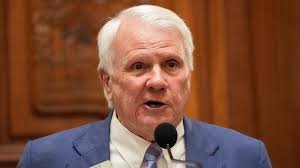
As State Representative Martin McCurry stated, “This is about people, my people, saying, ‘We’re taking things too far.’” The proposal aimed to shift the tax burden and provide financial relief, but opponents worried about the long-term consequences.
Understanding the Proposed Changes
The rejected proposal included several key components:
- Tax Cuts: A substantial reduction in property tax rates.
- School Funding: A restructuring of how schools are funded to offset potential revenue losses.
- Local Government Impact: Addressing the potential impact on local government budgets.
The plan sought to balance property tax relief with the need to maintain essential services. However, the complexity of the proposal and concerns about its long-term financial implications ultimately led to its rejection.
Concerns and Opposition
Opponents, including many Democrats, expressed concerns that the proposed cuts would disproportionately benefit wealthier homeowners while potentially harming public schools and essential services. They argued that a more targeted approach to property tax relief might be more effective and equitable.
The Georgia Budget and Policy Institute highlighted the potential for significant cuts to local school budgets, potentially impacting the quality of education. The Georgia Budget and Policy Institute provides in-depth analysis of state fiscal issues.
What’s Next for Georgia Property Taxes?
The rejection of this proposal doesn’t necessarily mean the end of the conversation about property tax relief in Georgia. Legislators are likely to revisit the issue in the future, potentially exploring alternative approaches to address the concerns of homeowners while safeguarding essential public services. The debate underscores the ongoing challenge of balancing tax relief with the need for adequate funding for schools, infrastructure, and other vital government functions.
As David Wickert, who writes about state budget, finance, and voting issues, notes, the issue is complex and requires careful consideration. You can find more of his work covering local government and politics in Gwinnett and Fulton counties.
Stay Informed
Keep up-to-date on the latest developments regarding property taxes in Georgia by following reputable news sources and engaging with your local representatives. Understanding the issues and participating in the political process is crucial for shaping the future of property taxes in the state.