Gas Prices: A Deep Dive into the Current Surge
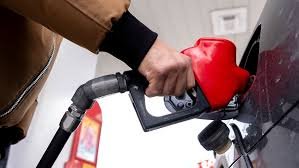
Canadians are feeling the pinch at the pump. Gas prices have been on a rollercoaster ride, and understanding *why* they’re so high – and what you can do about it – is crucial. This article breaks down the factors influencing gas prices, offers strategies for saving money, and looks ahead to what the future might hold for fuel costs.
What’s Driving the Increase in Gas Prices?
The current surge in **gas prices** isn’t due to a single cause, but a complex interplay of global events and economic factors. Here’s a breakdown:
- Crude Oil Prices: The price of crude oil, the raw material for gasoline, is the biggest driver. Geopolitical instability, like the ongoing conflict in Ukraine, significantly impacts oil supply and demand.
- Supply and Demand: Increased demand, particularly as travel rebounds post-pandemic, coupled with constrained supply, pushes prices upward.
- Refining Capacity: Limited refining capacity can create bottlenecks, even if crude oil supply is adequate.
- Taxes: Federal and provincial taxes contribute a significant portion of the price you pay at the pump. These taxes vary by province.
- Carbon Pricing: Canada’s carbon tax adds to the cost of gasoline, incentivizing a shift towards cleaner energy sources.
- Exchange Rate: The Canadian dollar’s exchange rate against the US dollar (where oil is priced) also plays a role. A weaker Canadian dollar means higher gas prices.
How to Save Money on Gas
While you can’t control global oil markets, you *can* take steps to mitigate the impact of high **gas prices** on your wallet. Here are some practical tips:
- Drive Efficiently: Avoid aggressive acceleration and braking. Maintain a steady speed.
- Maintain Your Vehicle: Regular maintenance, including tire inflation and oil changes, improves fuel efficiency.
- Combine Errands: Reduce unnecessary trips by combining multiple errands into one.
- Carpool or Use Public Transportation: Sharing rides or opting for public transit significantly reduces fuel consumption.
- Shop Around for Gas: Use apps like GasBuddy ([https://www.gasbuddy.com/](https://www.gasbuddy.com/)) to find the cheapest gas stations in your area.
- Consider Fuel Rewards Programs: Many gas stations offer rewards programs that can save you money per litre.
- Reduce Weight: Remove unnecessary items from your vehicle to improve fuel economy.
The Future of Gas Prices: What to Expect
Predicting the future of **gas prices** is notoriously difficult. However, several factors suggest continued volatility. The ongoing geopolitical situation, global economic growth, and the transition to renewable energy sources will all play a role. The International Energy Agency (IEA) provides regular analysis and forecasts on global oil markets. ([https://www.iea.org/](https://www.iea.org/)) Long-term, the shift towards electric vehicles (EVs) is expected to reduce reliance on gasoline, but widespread EV adoption will take time. Government policies, such as carbon pricing and investments in public transportation, will also influence future fuel costs.
Staying informed about these factors and adopting fuel-saving habits can help you navigate the challenges of fluctuating **gas prices** and protect your budget.