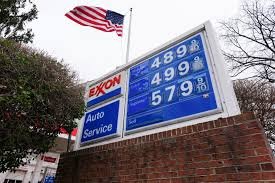
Gas Prices 2024: A Comprehensive Guide
The price of gas is a constant concern for drivers across the United States. In 2024, fluctuations in gas prices continue to impact household budgets and travel plans. But what exactly drives these changes? This article dives deep into the factors influencing gas costs, provides a current overview of national and regional averages, and equips you with strategies to find the cheapest gas near you.
What Factors Influence Gas Prices?
Several interconnected elements contribute to the price you pay at the pump. Understanding these factors is crucial for anticipating future trends:
- Crude Oil Prices: This is the biggest driver, typically accounting for over half the price of gasoline. Global events, production levels (OPEC+ decisions), and geopolitical instability significantly impact crude oil costs. You can track crude oil prices on sites like the U.S. Energy Information Administration (EIA).
- Refining Costs: Turning crude oil into gasoline isn’t free. Refining costs, including maintenance, upgrades, and energy consumption, add to the final price.
- Distribution and Marketing: Transporting gasoline from refineries to local stations, along with marketing and operational expenses, contribute to the cost.
- Taxes: Federal, state, and local taxes are a significant component of gas prices. Tax rates vary considerably by location.
- Supply and Demand: Basic economics apply. Increased demand (like during summer travel season) typically leads to higher prices, while increased supply can lower them.
- Geopolitical Events: Conflicts, political instability, and international sanctions can disrupt oil supply and drive up prices.
Current Gas Price Overview (May 2024)
As of May 15, 2024, the national average for regular gasoline is around $3.65 per gallon (source: AAA Gas Prices). However, prices vary significantly by state. California consistently has the highest prices, while states in the South often have the lowest. Regional differences are also pronounced, with urban areas generally experiencing higher prices than rural ones.
Finding the Cheapest Gas Near You
Don’t just drive into the first gas station you see! Here are some strategies to save money:
- Use Gas Price Apps: Apps like GasBuddy, Gas Guru, and Waze crowdsource gas prices, allowing you to compare prices in real-time.
- Consider Warehouse Clubs: If you’re a member of Costco, Sam’s Club, or BJ’s Wholesale Club, their gas stations often offer significantly lower prices.
- Check Grocery Store Rewards Programs: Many grocery stores offer fuel rewards programs that allow you to earn discounts on gas with your purchases.
- Pay with Cash: Some stations offer a discount for cash payments.
- Drive Efficiently: Aggressive driving (speeding, rapid acceleration) reduces fuel efficiency.
The Future of Gas Prices
Predicting future gas prices is challenging. However, several factors suggest continued volatility. The ongoing geopolitical situation in Eastern Europe, potential disruptions to oil supply, and the increasing demand for energy all contribute to uncertainty. The transition to electric vehicles (EVs) is also a long-term factor that could eventually impact gasoline demand, but that shift is still in its early stages. Staying informed about these trends will help you navigate the ever-changing landscape of gas costs.
By understanding the factors influencing gas prices and utilizing the strategies outlined above, you can minimize the impact of rising costs and keep more money in your pocket.