Gas Prices 2024: A Comprehensive Guide
The price of gas is a constant concern for drivers across the United States. In 2024, fluctuations have been particularly noticeable, impacting budgets and travel plans. This guide dives deep into the factors influencing gas prices, provides strategies for finding the best deals, and offers insights into potential future trends.
What’s Driving Gas Prices in 2024?
Several key elements contribute to the ever-changing cost of fuel. Understanding these factors is crucial for predicting price movements:
- Crude Oil Prices: The biggest driver. Global events, production levels (OPEC+ decisions), and geopolitical instability significantly impact crude oil costs. Currently, tensions in the Middle East are a major concern.
- Refinery Capacity & Outages: Refineries convert crude oil into gasoline. Unexpected shutdowns or reduced capacity due to maintenance or natural disasters can lead to supply shortages and price increases.
- Seasonal Demand: Gas demand typically rises during the summer months due to increased travel. This higher demand often translates to higher prices.
- Taxes: Federal, state, and local taxes are a significant component of the price you pay at the pump. These taxes vary widely by location.
- Distribution & Marketing Costs: Transporting gasoline from refineries to gas stations, along with marketing expenses, adds to the final price.
Current Gas Price Trends (as of November 2024)
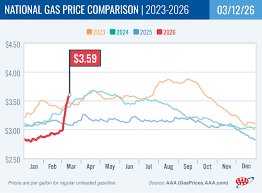
As of November 2024, the national average for regular gasoline is around $3.75 per gallon (according to AAA Gas Prices). However, prices vary considerably by state. California consistently has the highest prices, while states in the South generally offer the lowest. Recent increases are largely attributed to rising crude oil prices and concerns about global supply.
Tips to Save Money on Gas
While you can’t control global oil markets, you can take steps to minimize your fuel expenses:
- Shop Around: Use apps like GasBuddy (GasBuddy) or Google Maps to compare prices at nearby gas stations.
- Drive Efficiently: Avoid aggressive acceleration and braking. Maintain a steady speed and use cruise control when possible.
- Keep Your Vehicle Maintained: Regular tune-ups, proper tire inflation, and oil changes can improve fuel efficiency.
- Reduce Weight: Remove unnecessary items from your vehicle to reduce its weight and improve gas mileage.
- Consider Fuel Rewards Programs: Many gas stations and grocery stores offer fuel rewards programs that can save you money per gallon.
Future Predictions for Gas Prices
Predicting future gas prices is challenging, but several factors suggest continued volatility. The ongoing geopolitical situation, OPEC+ production decisions, and the potential for increased demand during the holiday season are all likely to play a role. The Energy Information Administration (EIA) provides regular forecasts, which can be found on their website: EIA. Many analysts predict prices will remain elevated through the winter, with potential for further increases if global supply is disrupted.
The Impact of Electric Vehicles
The growing adoption of electric vehicles (EVs) is beginning to influence the gas market. As more drivers switch to EVs, demand for gasoline may decrease, potentially putting downward pressure on prices in the long term. However, the transition to EVs is still in its early stages, and gasoline will remain a dominant fuel source for the foreseeable future.
Staying informed about the factors influencing gas prices and adopting smart fuel-saving habits can help you navigate the challenges of fluctuating fuel costs in 2024 and beyond.