Supreme Court Ruling on Conversion Therapy: A Setback for LGBTQ+ Rights?
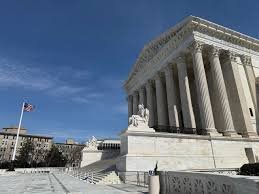
In a landmark decision, the Supreme Court ruled against Colorado’s ban on “conversion therapy” for gay and transgender youth on Tuesday. While the decision doesn’t immediately strike down the law, it sends the case back to a lower court for further review under a stricter constitutional standard, potentially leading to its invalidation. This ruling has ignited a fierce debate about First Amendment rights, the well-being of LGBTQ+ youth, and the role of states in regulating medical care.
The Court’s Decision and its Nuances
The 8-1 ruling, penned by Justice Neil Gorsuch, centers on the level of scrutiny courts apply when evaluating the constitutionality of a law. The lower court initially applied “rational basis” review, the lowest standard, and upheld the Colorado ban. However, the Supreme Court determined that “strict scrutiny” – the highest standard – should have been used.
Under strict scrutiny, the government must demonstrate a “compelling interest” in enacting the law and prove it’s “narrowly tailored” to achieve that interest without infringing on constitutional rights. Given the First Amendment’s protection of speech, laws restricting it rarely survive this level of scrutiny. This doesn’t guarantee the law will be overturned, but it significantly increases the likelihood.
Reactions to the Ruling
Colorado Attorney General Phil Weiser expressed disappointment, stating, “To LGBTQ youth in this state and beyond: you are valued, you are worthy, and your health and dignity matter.” He affirmed his commitment to defending care grounded in science and protecting the rights of all children.
Conservative groups celebrated the decision as a victory for First Amendment rights. Jim Campbell, chief legal counsel for Alliance Defending Freedom, who represented the counselor challenging the ban, stated, “Kids deserve real help affirming that their bodies are not a mistake and that they are wonderfully made.” He argued that states shouldn’t silence voluntary conversations aimed at helping young people accept themselves.
Adèle Keim, senior counsel at Becket, echoed this sentiment, saying, “Kids who want help accepting their bodies should be able to get it.”
Concerns from LGBTQ+ Organizations
However, major LGBTQ+ organizations strongly criticized the ruling. The Trevor Project, a suicide prevention and crisis intervention organization, called it “a tragic step backward” that will put young lives at risk. They highlighted research showing that LGBTQ+ youth subjected to conversion therapy are more than twice as likely to attempt suicide. The Trevor Project is a vital resource for LGBTQ youth in crisis.
The Human Rights Campaign president, Kelley Robinson, slammed the decision as “reckless,” warning that it will lead to more harm for American children. Lambda Legal counsel, Carl Charles, shared his personal experience with conversion therapy, emphasizing that LGBTQ+ youth need support and celebration, not attempts to change them.
GLAD Law’s Polly Crozier emphasized that the science remains clear: conversion therapy is harmful. She added that therapists who inflict harm will still face legal consequences.
The First Amendment Debate
The core of the legal debate revolves around whether conversion therapy constitutes protected speech under the First Amendment. Justice Gorsuch argued that the First Amendment protects the right to express all views, even those that may be unpopular or controversial. Justice Ketanji Brown Jackson, in her dissenting opinion, countered that therapists are acting as healthcare professionals, and governments have a legitimate interest in regulating harmful medical practices, even if they involve speech.
Looking Ahead
The Supreme Court’s decision comes on Transgender Day of Visibility, a day dedicated to celebrating transgender rights and raising awareness about the challenges faced by the transgender community. The court is also expected to rule soon on a case concerning transgender athletes, further highlighting the ongoing legal battles surrounding LGBTQ+ rights.
This ruling underscores the complex interplay between constitutional rights, public health, and the well-being of vulnerable populations. The future of conversion therapy bans across the country now hinges on how lower courts interpret the Supreme Court’s guidance and apply the strict scrutiny standard.