Bogus Maple Syrup in Quebec: A Sweet Deception Unveiled
A recent investigation by Canada’s national broadcaster, Radio-Canada, has uncovered a disturbing truth about Quebec’s famed maple syrup industry: a major producer has been deliberately diluting its product with cane sugar and selling it as 100% pure maple syrup to grocery chains across the province. This revelation casts a shadow over an industry deeply rooted in Quebec’s identity and economy.
The Sting Operation
The investigation, conducted by Radio-Canada’s Enquête programme, involved undercover journalists posing as grocery store buyers. Through covert recordings and hidden camera footage, they exposed the fraudulent practices of Steve Bourdeau, a producer southwest of Montreal. Bourdeau openly boasted about offering the lowest prices in the market, admitting his methods weren’t “entirely legal” but that he’d “gotten away with it anyway.”
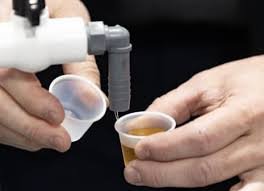
The initial alarm was raised when a Radio-Canada reporter noticed an unusual taste in a can of syrup labelled “pure maple syrup.” Samples were sent to Le Centre ACER, Quebec’s research and testing facility, where the shocking truth was confirmed.
“This is the first time I’ve seen falsification of this kind. You can see that it’s outright cane sugar that’s been added to the cans,” stated Luc Lagacé, a microbiologist and the director of research at ACER. “This is not an accident. It’s deliberate.”
A Billion-Dollar Industry Under Threat
Quebec is a global powerhouse in maple syrup production, responsible for nearly all of Canada’s output and approximately three-quarters of the world’s supply. Last year alone, Quebec farmers harvested 239 million pounds of maple syrup, an industry worth nearly C$1 billion annually. A single barrel of syrup can fetch nearly C$1,000, making it a lucrative target for criminal activity.
This isn’t the first time the Quebec maple syrup industry has faced challenges. In 2011, a notorious heist saw thieves siphon off nearly C$18 million worth of syrup from the province’s strategic reserve, leading to 40 arrests and jail time for five individuals. The Guardian covered the story extensively at the time.
The Response and Future Implications
When confronted with the lab results, Bourdeau initially denied the allegations, later suggesting a supplier from outside the province was to blame. He claimed he would launch his own investigation and implement stricter inspection procedures. However, Geneviève Clermont, head of ACER’s inspection division, clarified that while using suppliers from outside the province isn’t illegal, falsely labelling the syrup as originating from Quebec is a serious offense.
Currently, 90% of bulk syrup sold in Quebec undergoes testing, but products canned and sold directly by producers are not regularly inspected. This loophole allowed Bourdeau to operate undetected for a period of time. This incident highlights the need for increased oversight and stricter regulations within the industry to protect consumers and maintain the integrity of Quebec’s maple syrup reputation.
It’s important to note that many commercially available maple-flavoured syrups, particularly in the US, are often made with corn syrup and artificial flavourings. Consumers seeking authentic maple syrup should look for products clearly labelled as 100% pure maple syrup and, when possible, opt for those with traceability information.