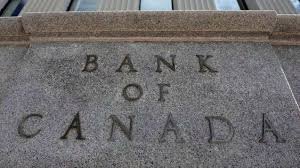
Bank of Canada: A Deep Dive into Monetary Policy and Economic Trends
The Bank of Canada (BoC) plays a pivotal role in shaping Canada’s economic landscape. As the country’s central bank, it’s responsible for maintaining price stability – keeping inflation at a target of 2% – and supporting full employment. Understanding the BoC’s actions and pronouncements is crucial for businesses, investors, and everyday Canadians alike. This article provides a comprehensive overview of the Bank of Canada, its functions, recent decisions, and what to expect in the future.
Key Responsibilities of the Bank of Canada
- Monetary Policy: Setting the overnight rate, a key interest rate that influences borrowing costs across the economy.
- Currency: Issuing Canada’s bank notes and ensuring the integrity of the national currency.
- Financial System: Promoting the stability and efficiency of the Canadian financial system.
- Funds Management: Acting as fiscal agent for the Government of Canada, managing its debt and foreign exchange reserves.
Recent Interest Rate Decisions and Their Impact
In response to rising inflation, the Bank of Canada has been aggressively raising interest rates since early 2022. These increases aim to cool down the economy and bring inflation back to the 2% target. The impact of these rate hikes has been felt across various sectors, including the housing market, where mortgage rates have significantly increased. Businesses are also facing higher borrowing costs, potentially impacting investment and expansion plans. Consumers are experiencing increased costs for loans and credit.
For the latest updates on interest rates, you can refer to the official
Bank of Canada interest rates page. Understanding these changes is vital for making informed financial decisions.
Economic Outlook and Future Monetary Policy
The Bank of Canada regularly publishes its Monetary Policy Report (MPR), which provides a detailed assessment of the Canadian and global economic outlook. The latest MPR suggests that while inflation is showing signs of easing, it remains above the target. The BoC has signaled a willingness to pause rate hikes if inflation continues to moderate, but remains prepared to raise rates further if necessary. The future path of monetary policy will depend on a variety of factors, including global economic conditions, commodity prices, and domestic economic data.
According to
the International Monetary Fund (IMF), Canada’s economy is expected to experience moderate growth in the coming years, but faces risks from global economic slowdown and geopolitical uncertainties. The BoC will be closely monitoring these developments as it calibrates its monetary policy.
How the Bank of Canada Impacts You
The Bank of Canada’s decisions have a direct impact on your financial well-being. Higher interest rates mean higher borrowing costs for mortgages, loans, and credit cards. Conversely, lower interest rates can make borrowing more affordable. The BoC’s actions also influence the value of the Canadian dollar, which can affect the cost of imported goods and services. Staying informed about the BoC’s policies can help you make sound financial decisions and navigate the changing economic landscape.