Understanding Ebola: Symptoms, Prevention, and the Global Fight Against the Virus
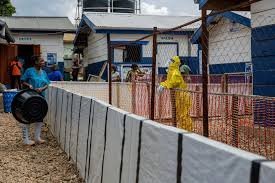
What is Ebola? Understanding the Viral Hemorrhagic Fever
Ebola Virus Disease (EVD), commonly known as ebola, is a severe, often fatal illness in humans. It is caused by an infection with a group of viruses within the genus Ebolavirus. While it may seem like a distant threat, understanding how this virus operates is crucial for global health security and rapid response.
The virus is zoonotic, meaning it is transmitted from animals to humans. Historically, outbreaks have been linked to contact with infected wildlife, such as fruit bats or primates, and subsequently spread through human-to-human transmission.
Recognizing the Symptoms of Ebola
Early detection is the most critical factor in surviving an ebola infection. The symptoms typically appear between 2 to 21 days after exposure and often start with non-specific “flu-like” signs.
- Early Stage: Sudden onset of fever, intense fatigue, muscle pain, headache, and sore throat.
- Advanced Stage: Vomiting, diarrhea, and rash. In severe cases, patients may experience internal and external bleeding (hemorrhaging), which gives the disease its terrifying reputation.
How is Ebola Transmitted?
It is important to debunk myths: ebola is not airborne like the common cold. It spreads through direct contact with:
- Bodily Fluids: Blood, saliva, sweat, vomit, urine, and semen of a person who is sick with or has died from the virus.
- Contaminated Objects: Needles, syringes, or clothing contaminated with infected fluids.
- Wildlife: Handling infected animals found dead or alive in the rainforest.
Prevention and the Power of Vaccination
Preventing the spread of ebola relies on a combination of community education, strict hygiene, and medical intervention. According to the World Health Organization (WHO), early supportive care significantly improves the chances of survival.
Key Prevention Strategies:
- Avoid Direct Contact: Stay away from the bodily fluids of people who are ill.
- Practice Hand Hygiene: Frequent washing with soap and water or using alcohol-based sanitizers.
- Safe Burial Practices: Avoiding contact with the bodies of those who passed away from the virus.
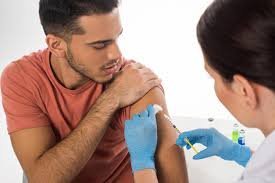
- Vaccination: The development of effective ebola vaccines has been a breakthrough in controlling outbreaks, providing a shield for healthcare workers and high-risk populations.
The Path to Recovery and Treatment
While there is no single “cure-all’ pill, medical advancements have evolved. Intensive supportive care—which includes fluid replacement (rehydration) and treating specific symptoms—is the primary approach. Furthermore, the Centers for Disease Control and Prevention (CDC) highlights the use of monoclonal antibody treatments that have shown success in reducing mortality rates when administered early.
Final Thoughts
Knowledge is the first line of defense. By staying informed about the nature of the ebola virus and supporting global health initiatives, we can ensure that future outbreaks are contained quickly and efficiently, saving countless lives worldwide.
📰 You May Also Like