Ebola Crisis in Congo: The Deadly Intersection of Virus and Misinformation
The Invisible Wall: Why Mistrust is More Dangerous Than Ebola in Eastern Congo
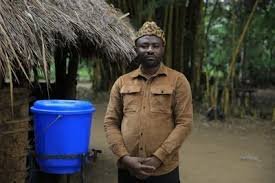
In the heart of the Beni Territory in North Kivu, eastern Congo, a battle is being fought that goes far beyond biology. While the Ebola virus ravages bodies, a secondary epidemic of misinformation is ravaging the community’s will to seek help. For leaders like Mwami Alphonse Bin Kitobi, the chief of Bapakombe-Bakondo village, the hardest part of the crisis isn’t the disease itself—it’s the deep-seated mistrust of the medical system.
Achou Taibo experienced this tragedy firsthand. As his relatives fell ill, he fought to get them to the nearest hospital. Instead of gratitude, he faced accusations: his own family believed he was taking them to the hospital not to heal, but to die. This heartbreaking resistance is a symptom of a larger crisis where the fear of the unknown outweighs the fear of the virus.
A Rare and Deadly Strain: The Bundibugyo Virus
The current outbreak in eastern Congo is particularly perilous because it is caused by the Bundibugyo virus. Unlike other strains, this rare variation currently lacks an approved vaccine or a standardized treatment, making medical intervention a race against time. According to the Congo Ministry of Health, the crisis has already surpassed 10,000 confirmed cases and over 4,800 deaths.
The spread is not limited to Congo; the virus has already crossed borders into other African nations, including Uganda, Kenya, and Nigeria. Dr. Jean Kaseya, Director-General of the Africa CDC, has warned that the continent is “not winning” the fight, although international cooperation remains the only path forward.
The Weaponization of Misinformation
In many communities, Ebola is not seen as a medical condition but as something sinister. Local myths suggest the virus is a form of poisoning or the work of evil spirits. This prejudice has led to catastrophic outcomes:
- n
- Medical Avoidance: Patients prefer traditional healers who may prescribe “potions” that worsen the condition.
- Violence: Misinformation has fueled attacks on health workers and led to the burning of homes under accusations of witchcraft.
- Hidden Cases: Over 70% of new cases have been reported outside of official contact lists, making contact tracing nearly impossible.
Conflict and Healthcare: A Perfect Storm
The health crisis is exacerbated by the volatile political climate of eastern Congo. The region is plagued by violence from various militia groups, including those linked to the Islamic State. This insecurity restricts the access of World Health Organization (WHO) teams and government health workers.
Furthermore, internal instability—such as unpaid wages for frontline nurses and allegations of corruption in previous outbreaks—has eroded the trust between the citizenry and the state. When a nurse is killed in the line of duty, as recently happened in the Tshopo province, the cycle of fear and violence only intensifies.
Life After Ebola: The Stigma of Survival
For those fortunate enough to survive the virus, the nightmare doesn’t end at discharge. Survivors often return to communities that view them as “tainted.” Zawadi Kavira Musubao, a survivor, was forced out of her home by a landlord who believed that the disinfection process brought evil spirits into the property.
Despite the hostility, leaders like Alphonse Bin Kitobi continue to speak out. By courageously telling the truth and providing financial and emotional support to the vulnerable, they are attempting to dismantle the wall of prejudice one person at a time.
Conclusion: The Need for Global Solidarity
The fight against Ebola in Congo is a stark reminder that medicine alone cannot save lives. To stop the outbreak, the world must address the social determinants of health: poverty, insecurity, and the deadly spread of fake news. Only through transparency and community engagement can the cycle of death be broken.
📰 You May Also Like