Understanding Salmonella: More Than Just a Stomach Ache
Food safety is a cornerstone of a healthy lifestyle, yet many of us overlook the invisible threats lurking in our kitchens. One of the most common culprits is Salmonella, a group of bacteria that can cause salmonellosis—a foodborne illness that ranges from mild discomfort to severe health complications.
Whether you are a home cook or someone who frequently eats out, knowing how to identify and prevent Salmonella is crucial for protecting yourself and your loved ones.
What Exactly is Salmonella?
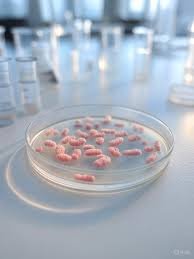
Salmonella is a type of bacteria found in the intestinal tracts of many animals and humans. It is typically transmitted to people through contaminated water or food. While often associated with poultry and eggs, it can also be found in raw sprouts, unpasteurized juice, and even processed foods.
Common Symptoms to Watch For
Symptoms of Salmonella poisoning usually appear between 6 hours and 6 days after infection. It is important to recognize these signs early to seek appropriate medical attention:
- Diarrhea: Often the most prominent symptom, which can sometimes be bloody.
- Fever: A sudden rise in body temperature as the immune system fights the infection.
- Abdominal Cramps: Sharp pains and discomfort in the stomach area.
- Nausea and Vomiting: Difficulty keeping food or liquids down.
- Headache: General malaise and fatigue.
How Does Salmonella Spread?
The bacteria enter the body when you consume contaminated food or come into contact with an infected animal. Common sources include:
- Raw or undercooked meat: Especially poultry and ground beef.
- Raw eggs: Including products made with raw eggs, like homemade Caesar dressing.
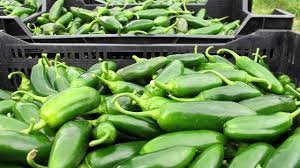
- Unwashed produce: Fruits and vegetables that have come into contact with contaminated soil or water.
- Pets: Reptiles, amphibians, and baby chicks are frequent carriers.
Essential Tips for Prevention
Preventing Salmonella is simpler than treating it. By following a few gold-standard hygiene rules, you can significantly reduce the risk of infection:
- Wash Your Hands Frequently: Use soap and warm water before, during, and after handling food, and always after touching pets.
- Cook Thoroughly: Use a food thermometer to ensure meats reach a safe internal temperature. This is the only way to guarantee the bacteria are destroyed.
- Avoid Cross-Contamination: Use separate cutting boards for raw meats and fresh produce. Never place cooked meat back on a plate that previously held raw meat.
- Store Food Properly: Keep your refrigerator at or below 4°C (40°F) to slow the growth of bacteria.
- Rinse Produce: Always wash fruits and vegetables under running water before consumption.
When to See a Doctor
While many people recover from Salmonella without specific treatment, some individuals—such as infants, seniors, and those with weakened immune systems—are at higher risk. You should contact a healthcare provider if you experience high fever, persistent vomiting, or signs of dehydration.
For official guidelines and the latest food recalls, we recommend visiting the Public Health Agency of Canada to stay informed about local health alerts.
Final Thoughts
Maintaining a safe kitchen isn’t about being paranoid; it’s about being proactive. By implementing these simple food safety habits, you can enjoy your meals with peace of mind, knowing that your health and your family’s well-being are the top priority.