Pancreatic Cancer Drug Daraxonrasib: A Historic Breakthrough in Oncology

A New Ray of Hope: Daraxonrasib and the Fight Against Pancreatic Cancer
For decades, pancreatic cancer has been one of the most challenging diagnoses in oncology, often characterized by low survival rates and limited treatment options. However, a groundbreaking clinical trial for a new drug called daraxonrasib is sending shockwaves through the medical community, offering what experts describe as the most significant leap forward in years.
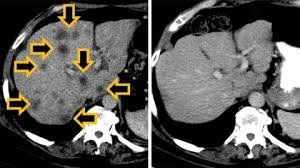
In a recent trial focusing on patients with advanced pancreatic cancer that had already spread to other organs, the results were nothing short of extraordinary. For some, the treatment didn’t just slow the disease—it made the cancer virtually vanish from scans.
Unprecedented Trial Results: By the Numbers
The trial involved 61 participants who were facing a dire prognosis. While doctors are careful not to label the drug a “cure” just yet, the data provides a compelling case for optimism:
- n
- Undetectable Cancer: In approximately 1 out of every 12 patients, tumours became completely undetectable on CT scans.
- Tumour Stasis: An impressive 90% of patients saw their tumour growth come to a complete halt.
- Tumour Reduction: Over 60% of participants experienced tumours that either shrank significantly or disappeared entirely.
- Improved Survival: One year after starting the treatment, 76.6% of patients were still alive—a stark contrast to the 40-45% survival rate typically seen with standard chemotherapy.
How Daraxonrasib Works: Targeting the KRAS Mutation
The secret behind the success of daraxonrasib lies in its role as a KRAS inhibitor. Most pancreatic cancers are driven by specific mutations in the KRAS gene, which act like a stuck “on” switch, telling cancer cells to grow and multiply uncontrollably.
Daraxonrasib works by locking onto these mutations and shutting them off. By neutralizing the fuel that drives tumour growth, the drug effectively starves the cancer, leading to the deep responses observed in the trial. According to the National Cancer Institute, targeting these specific genetic drivers is the cornerstone of modern precision medicine.
Expert Insights: “The Closest to a Cure”
Dr. Wungki Park, a gastrointestinal medical oncologist at the Memorial Sloan Kettering Cancer Center, presented these findings at the EORTC-NCI-AACR Symposium in Barcelona. He expressed profound optimism, stating that this is the closest the medical world has come to a cure for advanced cases.
“Just imagine, in an average of 18 months your disease just disappears on the CT scan… that’s closest to complete remission… it’s incredible,” said Dr. Park.
What This Means for the Future of Cancer Treatment
While the focus of this trial was pancreatic cancer, the implications reach far beyond. Because KRAS mutations are found in several other types of malignancies, there is hope that daraxonrasib or similar inhibitors could be used to treat a wide array of other cancers.
Michelle Mitchell, chief executive of Cancer Research UK, emphasized that while more research is required before the drug becomes widely available in public health systems, this represents a monumental shift in treatment possibilities. For those seeking more information on current standards of care, the Mayo Clinic provides comprehensive resources on managing advanced malignancies.
The bottom line: While the journey toward a definitive cure continues, daraxonrasib is providing patients with something invaluable—more time, deeper remission, and, most importantly, real hope.
📰 You May Also Like