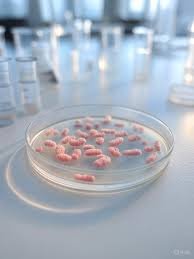
Understanding Legionnaires’ Disease: A Comprehensive Guide to Staying Safe
When we think about respiratory infections, we often focus on the common cold or the flu. However, there is a more severe type of pneumonia that often flies under the radar until it becomes a serious health concern: Legionnaires’ disease. But what exactly is it, and how can you protect yourself and your family?
In this guide, we will dive deep into the causes, symptoms, and prevention strategies for this bacterial infection to ensure you have the knowledge needed to stay healthy.
What is Legionnaires’ Disease?
Legionnaires’ disease is a severe form of pneumonia caused by Legionella bacteria. Unlike many other respiratory illnesses, it is not spread from person to person. Instead, humans contract the bacteria by breathing in small droplets of water (aerosols) that contain the bacteria.
It is important to distinguish between Legionnaires’ disease (which affects the lungs) and Pontiac fever (a milder, flu-like illness also caused by Legionella). While Pontiac fever usually resolves on its own, Legionnaires’ disease requires medical intervention to prevent permanent lung damage or death.
Common Symptoms to Watch For
The symptoms of Legionnaires’ disease can appear anywhere from 2 to 10 days after exposure. Because they mimic other types of pneumonia, it is crucial to seek medical attention if you experience:
- n
- High Fever: Often accompanied by chills.
- Persistent Cough: Which may or may not produce mucus.
- Shortness of Breath: Difficulty breathing, especially during physical activity.
- Muscle Aches: General malaise and body soreness.
- Neurological Symptoms: In some cases, patients experience confusion or disorientation.
If you suspect you have been exposed to contaminated water systems and are feeling ill, we recommend consulting a healthcare professional immediately or visiting the Centers for Disease Control and Prevention (CDC) for official guidelines.
How Does Legionella Spread?
The Legionella bacteria thrive in warm, stagnant water. They are typically found in man-made water systems that can create a fine mist or spray. Common sources include:
- Cooling Towers: Large AC systems used in hotels, hospitals, and office buildings.
- Hot Tubs and Whirlpools: If not properly chlorinated or cleaned.
- Decorative Fountains: Especially those with misting features.
- Showerheads and Faucets: Especially in buildings with complex or old plumbing systems.
Who is at Higher Risk?
While anyone can contract Legionnaires’ disease, certain groups are more susceptible to severe complications. These include:
- Older Adults: People aged 50 and above.
- Current or Former Smokers: Lung damage from smoking makes it easier for the bacteria to take hold.
- People with Chronic Lung Diseases: Such as COPD or asthma.
- Immunocompromised Individuals: People with weakened immune systems due to cancer treatments or organ transplants.
Prevention and Treatment
The good news is that Legionnaires’ disease is treatable with the correct antibiotics. However, early diagnosis is key to a full recovery. For a detailed look at medical treatments, the Mayo Clinic provides an excellent overview of clinical care.
How to Prevent Infection at Home and Work:
- Maintain Water Systems: Regularly clean and disinfect showerheads and faucets.
- Monitor Hot Tub Chemistry: Ensure that chlorine or bromine levels are consistently maintained.
- Ventilate Bathrooms: Reducing humidity can help prevent bacterial growth in moist areas.
- Professional Maintenance: Building managers should ensure that cooling towers are professionally treated and monitored.
Final Thoughts
Legionnaires’ disease may sound intimidating, but with awareness and proper hygiene of water systems, the risk can be significantly minimized. By recognizing the symptoms early and maintaining a clean environment, you can protect your respiratory health and ensure a safer living space for everyone.