Eli Lilly Weight Loss Pill: A Game-Changer in the Fight Against Obesity?
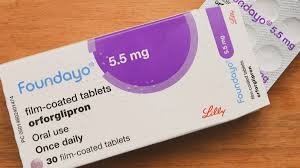
The Evolution of Weight Management: Is the Eli Lilly Weight Loss Pill the Next Big Thing?
For years, the medical community and individuals struggling with obesity have relied on a combination of diet, exercise, and occasionally, injectable medications. However, the landscape is shifting. Eli Lilly, a titan in the pharmaceutical industry, is making waves with the development of an Eli Lilly weight loss pill, promising a more convenient alternative to the current gold standard of injectable GLP-1 receptor agonists.
But what exactly is this medication, and how does it differ from the shots we see all over social media? Let’s dive into the science and the potential impact on public health in Canada and beyond.
From Injections to Oral Medication: Why It Matters
Most people are familiar with medications like Zepbound or Mounjaro. These are highly effective but require subcutaneous injections, usually once a week. While successful, “needle phobia” and the logistics of cold-chain storage (keeping the medication refrigerated) can be significant barriers for many patients.
The development of an oral version—specifically the promising Orforglipron—aims to remove these hurdles. An oral pill offers several advantages:
- n
- Increased Accessibility: No need for needles or specialized injection training.
- Easier Storage: No requirement for constant refrigeration, making travel and daily use simpler.
- Higher Compliance: Patients are generally more likely to stick to a daily pill regimen than a weekly injection.
n
n
n
How the Eli Lilly Weight Loss Pill Works
The science behind these medications focuses on GLP-1 (Glucagon-Like Peptide-1) receptors. These receptors are found in the brain and gut, playing a crucial role in regulating appetite and blood sugar levels.
The Eli Lilly weight loss pill mimics these hormones to:
- Suppress Appetite: It signals the brain that the body is full, reducing cravings and overall caloric intake.
- Slow Gastric Emptying: By slowing down how quickly food leaves the stomach, it promotes a longer-lasting feeling of satiety.
- Improve Insulin Sensitivity: This helps the body manage blood glucose levels more effectively, which is why these drugs are often linked to diabetes treatment.
n
n
n
Safety, Side Effects, and Considerations
While the results are impressive, these medications are not without side effects. Most users of GLP-1 medications report gastrointestinal issues, such as nausea, vomiting, or diarrhea, especially during the initial dosing phase.
It is critical to remember that these are prescription medications. They are designed for individuals with a specific Body Mass Index (BMI) or those with weight-related comorbidities, such as hypertension or Type 2 diabetes. For a comprehensive understanding of medication safety, it is recommended to consult official sources like Health Canada.
The Bottom Line: A New Era for Wellness
The transition toward an Eli Lilly weight loss pill represents more than just a change in delivery method; it represents a shift toward making obesity treatment more sustainable and patient-friendly. As clinical trials continue to provide data on long-term efficacy and safety, the hope is that we are moving toward a future where managing weight is as simple as taking a daily vitamin.
📰 You May Also Like