Common Labor Induction Practices: Do These Drugs Really Increase Spontaneous Birth Rates?
Understanding Common Labor Induction Practices and Their Effectiveness
For many first-time mothers, the prospect of labor induction can bring a mix of anxiety and hope. In the search for common ways to ensure a smoother delivery, medical researchers are constantly testing interventions to increase the likelihood of a spontaneous vaginal birth—avoiding the need for forceps, vacuum extraction, or C-sections.
A recent, large-scale multicentre study conducted in Norway has shed new light on two specific medications often discussed in clinical settings: hyoscine butylbromide and sodium bicarbonate. The results, published in the prestigious BMJ (British Medical Journal), challenge the notion that these drugs provide a significant advantage.
The Study: A Comprehensive Look at First-Time Mothers
The trial was extensive, involving 2,963 first-time mothers with an average age of 31. Conducted across 11 different hospitals in Norway between January 2023 and January 2025, the study aimed to determine if these common pharmacological interventions could improve birth outcomes after induction.
Participants were randomly assigned to one of four groups at the start of the active phase of labor:
- n
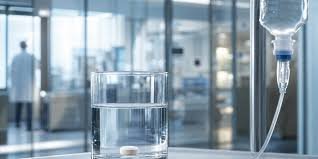
- Combination Group: Received both oral sodium bicarbonate and intravenous hyoscine butylbromide.
- Sodium Bicarbonate Group: Received only sodium bicarbonate.
- Hyoscine Butylbromide Group: Received only hyoscine butylbromide.
- Control Group: Received a double placebo.
The Results: Did the Drugs Make a Difference?
The primary goal was to measure the rate of spontaneous vaginal births. After analyzing the data, the researchers found that the differences between the groups were negligible and lacked statistical significance:
- Combination Therapy: 57% spontaneous birth rate (422 out of 741).
- Sodium Bicarbonate: 61% spontaneous birth rate (445 out of 734).
- Hyoscine Butylbromide: 61% spontaneous birth rate (449 out of 741).
- Double Placebo: 56% spontaneous birth rate (422 out of 747).
Key Takeaways for Expectant Mothers and Clinicians
While a very slight positive trend was observed in some drug groups, the authors concluded that the results do not support the routine use of these medications during labor after induction.
On a positive note, the study reported that serious adverse events were similar across all groups, meaning the drugs did not cause severe treatment-related illnesses. However, the researchers noted some limitations, such as the exclusion of women who did not speak English or Norwegian, and the fact that drugs were administered regardless of the early phase of labor.
Conclusion
When discussing common induction options with your healthcare provider, it is essential to rely on evidence-based research. This Norwegian study suggests that adding sodium bicarbonate or hyoscine butylbromide to the protocol may not significantly change the outcome for first-time mothers undergoing induction.
For more authoritative information on childbirth and obstetric care, you can visit the World Health Organization (WHO) guidelines on maternal health.
📰 You May Also Like