Urgent Health Crisis: The Rapid Escalation of Ebola in the DRC
The Democratic Republic of Congo (DRC) is currently facing a critical public health emergency. An Ebola virus epidemic, officially declared on May 15, is spreading at an unprecedented rate. According to reports from the Africa CDC and the World Health Organization (WHO), this current outbreak is outpacing previous response efforts, marking it as one of the most aggressive transmissions ever recorded.
The Alarming Numbers
As of July 7, the situation remains dire. The WHO has confirmed 1,759 cases and 600 deaths within the DRC. While neighboring Uganda has seen a more stable trend—with only 20 confirmed cases and two deaths—the internal spread within the DRC is accelerating rapidly.
To put this into perspective, during the first six weeks of the current outbreak, 1,596 cases were identified. In comparison, the devastating West African epidemic (2013-2016), which killed over 11,300 people, saw 994 cases in its initial six-week window. This indicates a significantly faster rate of transmission in the current crisis.
The Challenge of the Bundibugyo Variant
One of the most concerning aspects of this epidemic is the strain involved. This outbreak is caused by the Bundibugyo virus variant, for which there is currently no specific vaccine or approved treatment.
However, there are glimmers of hope through scientific intervention:
- n
- Clinical Trials: New trials for two potential treatments began on July 2.
- Diagnostic Breakthroughs: The WHO has granted emergency use authorization for the first molecular diagnostic test specifically for this virus, allowing for faster and more accurate detection.
A Perfect Storm: Conflict and Disease
The epidemic is centered in the Ituri province, a region already ravaged by militia violence and instability. The virus has since migrated to the North and South Kivu provinces, areas largely influenced by the M23 armed group.
Tom Fletcher, the UN humanitarian operations chief, emphasized that the health crisis is compounded by existing tragedies. Millions of people are already struggling with:
- Extreme hunger and food insecurity.
- Mass displacement of populations.
- Fragile or non-existent basic health services.
The Call for Global Action
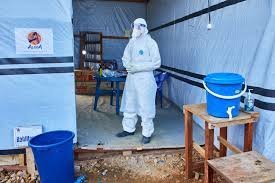
The medical infrastructure is stretched to its limit, with treatment centers operating at roughly 90% capacity. Dr. Wessam Mankoula of the Africa CDC has issued an urgent plea for $1.4 billion in funding to deploy the necessary human and financial resources to bring the outbreak under control.
Without immediate international support and guaranteed humanitarian access to conflict zones, the death toll is expected to rise, turning a regional health crisis into a global cautionary tale.
For more information on how to support global health initiatives, visit the Africa CDC official website.