A Major Turning Point for Childhood Vaccines in the United States
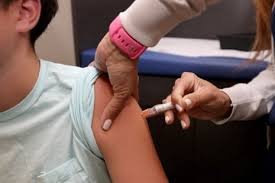
A recently signed executive order is sparking intense debate across the American medical community and political landscape. The order, signed by Donald Trump, instructs the Centers for Disease Control and Prevention (CDC) to fundamentally re-evaluate and potentially reduce the number of recommended childhood vaccines, potentially cutting the current schedule nearly in half.
This move stems from a scientific assessment produced by the Department of Health and Human Services (HHS), led by Robert F. Kennedy Jr. The assessment suggests that the U.S. should align its immunization practices with those of other developed nations, leading to a significant shift in how preventative healthcare is approached for the next generation.
What Vaccines are at Risk?
According to the assessment, the goal is to maintain a “core” list of vaccines for which there is broad international consensus. While the order’s language remains somewhat vague, the proposal suggests keeping vaccines for 10 to 11 diseases, including:
- Measles, Mumps, and Rubella (MMR)
- Polio, Pertussis, Tetanus, and Diphtheria
- Haemophilus influenzae type B (Hib)
- Pneumococcal disease
- Human Papillomavirus (HPV)
- Varicella (Chickenpox)
However, the following vaccinations could be removed from the universally recommended schedule:
- Hepatitis A and Hepatitis B
- Meningitis
- Rotavirus
- Influenza (Seasonal Flu)
- Covid-19
Additionally, the assessment recommends reducing the number of doses for the HPV vaccine from two or three down to just one, regardless of the child’s age.
The Scientific and Legal Backlash
The proposal has not been met without resistance. Fifteen states, led by Democratic governors, have filed lawsuits against the HHS and Robert F. Kennedy Jr. The plaintiffs argue that stripping vaccines of their recommended status creates “senseless complexity” that will inevitably lead to sicker children and a massive strain on state healthcare resources.
Medical experts are equally concerned. Dr. William Schaffner, a professor at the Vanderbilt University School of Medicine, has warned that deviating from proven immunization schedules could lead to a dangerous resurgence of preventable diseases. “If we do not progressively vaccinate children, sooner or later we will see the resurgence of these diseases, just as we are seeing with recent outbreaks of measles,” Schaffner noted.
The “Denmark Model”: A Flawed Comparison?
One of the most contentious points of the HHS assessment is its heavy reliance on Denmark’s vaccine policies. Legal experts and health officials argue that Denmark is not a suitable “peer country” for the United States due to several critical differences:
- Population Size: Denmark has a much smaller, more homogenous population.
- Healthcare System: Denmark operates under a universal healthcare model, unlike the fragmented system in the U.S.
- Global Outlier: Danish health officials themselves, including Dr. Anders Hviid, have expressed bafflement that their policies are being used to justify changes in the U.S., noting that Denmark’s specific social characteristics cannot be simply “retrofitted” to the American context.
Conclusion: Balancing Policy and Public Health
The directive for the CDC and the Advisory Committee on Immunization Practices (ACIP) to review this data marks a pivotal moment in U.S. public health. As the legal battles unfold, the primary concern remains the safety of children and the prevention of outbreaks that were once considered a thing of the past.
For more authoritative information on immunization schedules, you can visit the CDC’s official vaccine schedule or the World Health Organization (WHO) guidelines on global immunization.