Ronda Rousey’s Bold Return to MMA: Age, Critics, and the Fight for Fair Pay
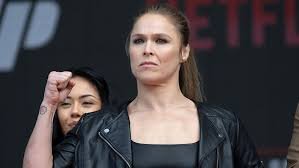
Ronda Rousey, a pioneer in women’s mixed martial arts, is set to return to the ring after a decade-long hiatus, facing Gina Carano on May 16th at the Intuit Dome in California. This highly anticipated bout, promoted by Jake Paul’s MVP and broadcast live on Netflix, has ignited discussions about Rousey’s age, the state of modern MMA, and the critical issue of fighter compensation.
Addressing Ageism and Doubters
At 39, Rousey has faced criticism regarding her age and potential competitiveness. However, she swiftly addressed these concerns, famously stating, “It’s not like my ovaries are fighting.” She pointed to the example of Jon Jones, a 38-year-old former UFC champion, noting that his age isn’t similarly scrutinized. This highlights a double standard often applied to female athletes. Rousey’s response underscores her confidence and determination to prove her capabilities remain undiminished.
Rewriting the Ending and Criticizing the Modern UFC
Rousey isn’t simply returning to fight; she’s aiming to “rewrite her ending” in the sport. She has been vocal in her criticism of the current UFC structure, suggesting it falls short in supporting its athletes. She views her fight with Carano as a significant step towards improving conditions for fighters across the board.
The Fight for Fair Fighter Pay
A central theme of Rousey’s return is the fight for fairer fighter pay. She revealed that each fighter on the card will receive a minimum of $40,000 (£29,500), regardless of the outcome. Rousey expressed her hope that this event will set a new standard, raising the ceiling for fighter earnings to match those of top-level boxers. This comes amidst growing scrutiny of fighter compensation, particularly after boxer Conor Benn secured a lucrative deal with Zuffa Boxing, owned by UFC president Dana White.
The UFC currently allocates approximately 20% of revenue to fighter pay, significantly less than the 60% typically offered to boxers. Fighters like Nate Diaz and Francis Ngannou have left the UFC, citing concerns over pay as a primary reason. Rousey acknowledges their leadership in advocating for better conditions, stating, “The reason we’re all here together is because all of you led the way.”
Beyond the Bout: Praising Talent and Challenging the Status Quo
Rousey also praised British fighter Paddy Pimblett, suggesting he should consider joining her promotional outfit when his UFC contract expires. She also took aim at Kayla Harrison, questioning her star power in comparison to Pimblett. Rousey believes her contest with Carano will be a more significant event than the anticipated bout between Harrison and Amanda Nunes.
Rousey’s Legacy and the Future of MMA
Ronda Rousey’s impact on MMA is undeniable. She was the first woman signed by the UFC in 2012 and became a global superstar, defending the UFC bantamweight title six times. While she retired in 2016 following defeats to Holly Holm and Amanda Nunes, her return signifies a renewed commitment to the sport and a determination to advocate for positive change. Her fight against Gina Carano is more than just a comeback; it’s a statement about the future of MMA and the importance of valuing its athletes.
You can find more information about MMA schedules and results at BBC Sport MMA.