America’s Next Top Model: A Legacy of Fashion, Drama, and Transformation
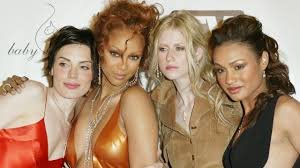
For over two decades, *America’s Next Top Model* (ANTM) has been a cultural phenomenon, captivating audiences with its blend of high fashion, intense competition, and undeniable drama. Created by Tyra Banks, the show debuted in 2003 and quickly became a staple of reality television, launching the careers of numerous models and sparking conversations about beauty standards, diversity, and the industry itself. But what is it about ANTM that continues to resonate with viewers, even after its initial run? Let’s delve into the show’s history, its impact, and where its winners are today.
The Genesis of a Modeling Competition
Tyra Banks, a supermodel herself, envisioned ANTM as a platform to showcase aspiring models from diverse backgrounds. Unlike traditional modeling agencies, which often prioritize specific looks, Banks aimed to create a competition that celebrated individuality and challenged conventional beauty norms. The show’s format was simple yet compelling: a group of hopefuls would live together, participating in photoshoots, runway challenges, and personality assessments, all judged by a panel of industry experts. Each week, one contestant would be eliminated until a single winner was crowned *America’s Next Top Model*.
Iconic Moments and Controversies
ANTM wasn’t without its share of memorable – and sometimes controversial – moments. From the infamous “smize” (smiling with your eyes) to the challenging runway walks in uncomfortable shoes, the show provided endless water cooler talk. Some challenges, like those focusing on commercial appeal, drew criticism for potentially reinforcing unrealistic beauty standards. However, the show also tackled important issues, such as body image and representation, albeit sometimes imperfectly. The show’s early cycles, in particular, were groundbreaking in showcasing a wider range of ethnicities and body types than typically seen in mainstream fashion.
The Impact on the Fashion Industry
While the show’s success in producing *true* supermodels is debatable, ANTM undeniably impacted the fashion industry. It brought modeling into the mainstream, demystifying the profession and making it more accessible to the public. It also provided a platform for emerging photographers, stylists, and makeup artists to showcase their talents. Furthermore, the show sparked a broader conversation about diversity and inclusion within the industry, pushing for greater representation of different ethnicities, body types, and ages. The show’s influence can be seen in the increased visibility of diverse models in advertising and on runways today. For more information on the evolution of beauty standards, consider exploring resources from the
Vogue Business.
Where Are They Now? Catching Up with ANTM Winners
The success stories of ANTM winners vary, but many have leveraged their platform to build fulfilling careers in the fashion and entertainment industries. Some, like Yaya DaCosta and Eva Marcille, have transitioned into acting, while others have continued to work as models or pursued entrepreneurial ventures. Whitney Thompson, in particular, has become a prominent voice in the body positivity movement.
*America’s Next Top Model* remains a significant piece of pop culture history. Its legacy extends beyond the runway, sparking important conversations and influencing the fashion industry for years to come. Whether you loved it, hated it, or simply watched it for the drama, there’s no denying its enduring impact.