The Great Remake Debate: Balancing Nostalgia and Modernity
In recent years, the entertainment industry has become obsessed with the “redo.” From Disney’s live-action adaptations to the gaming world’s endless cycle of updates, we are living in an era of the video game remake. But this raises a critical question: How faithful is faithful enough, and how much “new” is too much?
While a movie from a decade ago remains visually and narratively accessible, gaming is different. A decade in game development is a lifetime. Technological leaps and shifts in design paradigms mean that many classics, while masterpieces in their time, can feel clunky, muddy, or simply unplayable for a new generation of gamers.
Why the Industry is Obsessed with Remakes
Developing a AAA title from scratch is a monumental risk. It’s expensive, slow, and fraught with uncertainty. On the other hand, remaking a proven hit offers a safer financial bet. Brands like Assassin’s Creed or The Legend of Zelda have built-in audiences, making remakes a perfect tool to keep the financial wheels spinning and the merchandise flowing.
Beyond the balance sheets, there is the powerful grip of nostalgia. Players want to revisit their childhood memories, but they want those memories to feel fluid and fresh. They want to go back, but they want to feel like they are moving forward.
The Spectrum of the Video Game Remake
Not all remakes are created equal. Depending on the developer’s vision, they usually fall into one of three categories:
- n
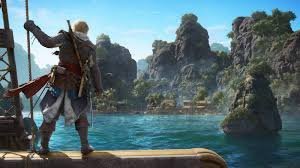
- The Faithful Polish: These focus on modern visuals and compatibility without altering the core experience. A recent example is Assassin’s Creed Black Flag Resynced, which breathes new life into a seafaring classic.
- The Bold Reimagining: Projects like Final Fantasy VII Remake don’t just update the graphics; they recontextualize the story and change the genre, creating an entirely new experience based on an old foundation.
- The Modern Gold Standard: Capcom’s Resident Evil remake series asks a different question: “What would this game look like if we designed it from scratch today?” This approach often preserves the spirit of the original while utilizing modern gameplay mechanics to their fullest.
The Pitfalls of Perfection
When developers attempt to “fix” a classic, they often walk a tightrope. Take Shadow of the Colossus (2018). By removing the original’s atmospheric fog to showcase stunning high-definition vistas, some fans argued that the game lost its signature sense of melancholy and mystery. Was the fog a technical limitation or an artistic choice? In remakes, that distinction often disappears.
Then there is the Zelda Anxiety. With rumors of an Ocarina of Time remake, the community is split. Will a new generation of fans, raised on the openness of Breath of the Wild, have patience for the original’s awkward camera and frame rate? Or will a modernized version strip away the magic that made the 1998 masterpiece legendary?
Final Thoughts: What Do We Actually Want?
Ultimately, the perfect formula for a video game remake varies from player to player. Some crave a 1:1 replica with a fresh coat of paint, while others want a complete overhaul that reflects current standards of modern game design.
Whether they are essential tools for preservation or lazy industry shortcuts, remakes are here to stay. The real challenge for developers isn’t just making a game look better—it’s capturing the feeling of the original while justifying why the game needs to exist a second time.
What do you think? Do you prefer a faithful 1:1 remake or a complete reimagining of your favorite classics? Let us know in the comments below!