Brie Larson: A Voice for Gaming and a Stand Against Online Hate
Brie Larson has consistently faced a unique challenge on the internet. The initial backlash she received upon being cast as Captain Marvel – fueled by misogynistic vitriol simply for being a strong, outspoken woman – remains a stark reminder of the online toxicity that exists. She became a target for negativity, with some critics unable to articulate their grievances even today. What’s always been admirable is Larson’s unwavering positivity and dedication to her craft, despite the relentless attacks.
From Captain Marvel to Princess Rosalina: A Genuine Passion for Gaming
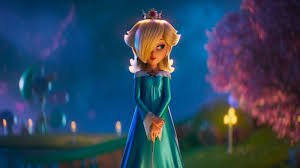
Most recently, Larson brought her enthusiasm to the role of Princess Rosalina in The Super Mario Bros. Movie. Throughout the film’s press tour, it was refreshing to see a cast member with a genuine and infectious love for Nintendo. But Larson’s appreciation goes beyond fandom; she understands the significant role video games now play in modern popular culture.
The Evolution of Gaming: Beyond the ‘Immature Medium’ Label
For decades, video games have been unfairly positioned as a lesser medium compared to film and television. While it’s true that gaming is relatively young, it has repeatedly demonstrated its capacity for artistic expression and cultural impact. The argument that games generate more revenue than other entertainment industries is often raised, but financial success shouldn’t be the sole justification for artistic legitimacy.
However, Larson highlights a more crucial point in a recent interview with Seen on the Screen. She discusses how her public enjoyment of video games has sparked conversations with developers about the medium’s influence on our lives. We readily discuss films, shows, and books, but asking someone about the game they’re playing often carries an unnecessary stigma.
Gaming is Mainstream: It’s Time to Normalize Play
The reality is, most of us play video games in some form – from immersive triple-A titles and daily Fortnite quests to casual mobile games like Candy Crush. Play is now as commonplace as watching a movie or reading a book, and there should be no shame in that. It’s time to broaden our cultural definition of gaming and move beyond the outdated perception of it as a “boy’s club.”
The Influence of Gaming on Film and Television
In recent years, we’ve seen a growing trend of film and television drawing inspiration from video games. Adaptations like The Last of Us and Fallout have successfully translated the immersive storytelling of gaming into the prestige television format. The Last of Us, in particular, possessed all the elements of a compelling HBO series from the start, while Fallout expanded upon an already rich universe in a way only television could achieve. This influence extends to cinema as well, with films like The Super Mario Bros. Movie and even explorations of the Backrooms concept.
While past video game movies have often been disappointing, they stemmed from a lack of respect for the source material. Now, we’re seeing adaptations that genuinely celebrate gaming and contribute to popular culture. We’ve reached a turning point, and Larson is right to call for a shift in the conversation.
A New Era of Adaptation and Respect
Even the animated Super Mario films, while not necessarily showcasing the medium’s narrative depth, underscore this change. More subtly, films like the recent James Bond installment and the John Wick franchise demonstrate a clear influence from video game design and action sequences. There’s a tendency to overlook gaming’s history, dismissing its evolution from simple beginnings to the cutting-edge blockbusters of today. This ignores the significant impact games have had on popular culture, even as filmmakers consciously or unconsciously draw from them.
It’s time to recognize video games as a legitimate and valuable form of entertainment. While some television shows may offer little substance, gaming provides countless immersive experiences and thought-provoking narratives. Video games are here to stay in Hollywood, and they deserve our respect.
What are your thoughts? Share your opinions in the comments below!