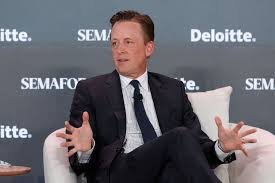
William Chapman

The Influence of William Chapman: A Deep Dive into Strategic Leadership and Innovation
In today’s rapidly evolving professional world, certain names emerge as beacons of leadership and strategic foresight. William Chapman has become a point of interest for those seeking to understand the intersection of traditional business values and modern innovative practices. Whether you are an aspiring entrepreneur or a seasoned executive, exploring the trajectory of William Chapman offers valuable lessons in resilience and growth.
Who is William Chapman?
William Chapman represents a blend of academic rigor and practical application. Throughout his career, he has demonstrated an uncanny ability to identify market gaps and implement scalable solutions. His approach is not merely about achieving short-term gains but about building sustainable ecosystems that foster long-term value for stakeholders.
His influence extends beyond a single industry, reflecting a versatile mindset that adapts to the challenges of a globalized economy. By prioritizing ethical leadership and strategic agility, Chapman has carved out a niche as a thought leader in his field.
Key Pillars of William Chapman’s Success
To understand the impact of William Chapman, one must look at the core principles that guide his professional decisions. His success can be attributed to several key strategic pillars:
- n
- Strategic Adaptability: The ability to pivot strategies in response to real-time data and market fluctuations.
- Commitment to Excellence: A relentless pursuit of quality that ensures every project meets the highest professional standards.
- Collaborative Leadership: Empowering teams by fostering an environment of open communication and shared goals.
- Forward-Thinking Innovation: Integrating emerging technologies to optimize operational efficiency.
The Impact on Modern Business Trends
The methodologies championed by William Chapman align closely with current trends in Harvard Business Review’s analysis of modern management. By moving away from rigid hierarchies and embracing a more fluid, agile organizational structure, Chapman demonstrates how modern businesses can remain competitive in a volatile market.
Bridging the Gap Between Theory and Practice
One of the most captivating aspects of William Chapman’s approach is his ability to translate complex theoretical frameworks into actionable business strategies. This bridge between theory and practice is what allows his initiatives to scale rapidly while maintaining a high level of operational integrity.
Conclusion: Lessons for the Next Generation
The story of William Chapman is more than just a professional biography; it is a blueprint for success in the 21st century. By combining a strong ethical foundation with a hunger for innovation, he proves that leadership is not about authority, but about influence and the ability to inspire others toward a common vision.
As we look toward the future of global business, the principles embodied by figures like William Chapman will undoubtedly continue to guide the next generation of leaders toward sustainable and impactful success.
📰 You May Also Like