The Canadian Dollar Guide: Factors Influencing the “Loonie” in 2024
Understanding the Canadian Dollar: More Than Just a Currency
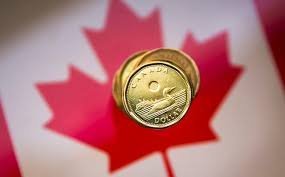
The Canadian dollar (CAD), affectionately known as the “Loonie” due to the image of the common loon on the one-dollar coin, is one of the most traded currencies in the world. For investors, travellers, and business owners, understanding the fluctuations of the CAD is essential for making informed financial decisions.
But what actually makes the Canadian dollar rise or fall? Unlike some currencies that rely solely on industrial output, the CAD is deeply tied to global commodity markets and geopolitical stability.
Key Drivers of the Canadian Dollar’s Value
Several macroeconomic factors influence the strength of the CAD. If you are tracking the exchange rate, keep a close eye on these three pillars:
- Oil and Commodity Prices: Canada is a leading exporter of crude oil. Traditionally, there is a strong positive correlation between the price of West Texas Intermediate (WTI) crude and the value of the Canadian dollar. When oil prices climb, the CAD typically strengthens.
- Bank of Canada Monetary Policy: The Bank of Canada manages inflation and economic stability by adjusting interest rates. Higher interest rates often attract foreign investors seeking better returns, which increases demand for the CAD.
- Trade Relations with the USA: Given that the United States is Canada’s largest trading partner, the health of the US economy and trade agreements (like the CUSMA) significantly impact the loonie’s performance.
Strategic Tips for Managing Your CAD
Whether you are dealing with international business or planning a trip, managing currency volatility is key. Here are some expert strategies:
- Monitor Real-Time Rates: Use high-authority tools like XE Currency Converter to track fluctuations before making large transactions.
- Avoid Airport Exchange Kiosks: These typically offer the worst rates. Opt for digital wallets or local bank transfers to save on fees.
- Diversify Your Holdings: For investors, holding a mix of currencies can hedge against the risk of a sudden dip in commodity prices.
The Outlook for the Canadian Dollar
As the world shifts toward green energy, the Canadian dollar may evolve from being a “commodity currency” tied to oil to one driven more by technology and sustainable minerals. Staying informed about these shifts is crucial for long-term financial planning in the North American market.
Want to stay updated on the latest financial trends? Subscribe to our newsletter for deep dives into the global economy!
📰 You May Also Like