Understanding the Nasdaq Index: A Comprehensive Guide for Canadian Investors
Understanding the Nasdaq Index: A Comprehensive Guide for Canadian Investors
When you hear about the stock market in the news, the Nasdaq Index is often mentioned alongside the S&P 500 and the Dow Jones. But what exactly is it, and why does it hold so much influence over the global economy, especially for those of us looking to grow our portfolios in Canada?
Whether you are a seasoned trader or a beginner taking your first steps into the world of finance, understanding the nuances of the Nasdaq is essential for navigating the modern investment landscape.
What Exactly is the Nasdaq Index?
First, it is important to clear up a common misconception: Nasdaq is both an exchange and an index. The Nasdaq Stock Market is the electronic marketplace where shares are traded, while the Nasdaq indices are the benchmarks used to measure the performance of stocks listed on that exchange.
There are two primary indices that investors track:
- n
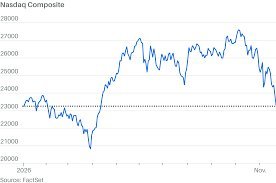
- Nasdaq Composite: This is the broader index that includes almost all the stocks listed on the Nasdaq exchange. It provides a wide-angle view of the market’s health.
- Nasdaq 100: This is a more exclusive list featuring the 100 largest non-financial companies listed on the exchange. This is typically what people refer to when they talk about “tech stocks.”
Why the Nasdaq is a Tech Powerhouse
The Nasdaq Index is globally recognized as the primary barometer for the technology sector. While it includes companies from various industries, it is heavily weighted toward giants in software, biotechnology, and internet services.
Because it houses titans like Apple, Microsoft, and Alphabet (Google), the index is often used to gauge the overall sentiment toward innovation and growth. When the Nasdaq is bullish, it generally suggests that investors are optimistic about the future of technology.
How to Invest in the Nasdaq from Canada
For Canadian investors, you don’t need to buy every single stock in the index to gain exposure. The most efficient way to invest is through Exchange-Traded Funds (ETFs) or Index Funds. This allows you to diversify your risk while benefiting from the growth of the tech sector.
Here are a few tips for Canadians starting out:
- Check your Brokerage: Most major Canadian platforms (like Questrade or Wealthsimple) provide easy access to US-listed ETFs that track the Nasdaq 100.
- Be Mindful of Currency: Since the Nasdaq is US-based, remember that fluctuations between the CAD and USD can affect your total returns.
- Use Registered Accounts: Consider holding your tech investments in a TFSA or RRSP to optimize your tax situation.
Pros and Cons of Nasdaq-Focused Investing
Before diving in, it is crucial to understand the risk-reward profile of this specific index.
The Advantages
- High Growth Potential: Tech companies often grow much faster than traditional industrial companies.
- Innovation Exposure: You are investing in the companies shaping the future of AI, cloud computing, and genomics.
The Risks
- Volatility: The Nasdaq tends to experience sharper swings than the S&P 500.
- Concentration Risk: Because it is tech-heavy, a downturn in the tech sector can significantly impact your portfolio.
Final Thoughts
The Nasdaq Index is more than just a string of numbers on a screen; it is a reflection of global innovation. For Canadian investors, integrating a bit of Nasdaq exposure can be a powerful way to drive long-term growth, provided it is balanced with a diversified strategy.
To learn more about the fundamentals of investing, you can explore resources like Investopedia to refine your strategy.
📰 You May Also Like