The Canadian Dollar Guide: Everything You Need to Know About the ‘Loonie’
Understanding the Canadian Dollar: More Than Just Currency
Whether you are planning a trip to the Great White North, investing in international markets, or moving to Canada, understanding the Canadian Dollar (CAD) is essential. Known globally as a stable and liquid currency, the CAD plays a pivotal role in the global economy, particularly within North America.
Why is it Called the ‘Loonie’?
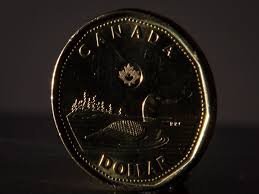
If you spend any time in Canada, you’ll hear the term “Loonie”. But what does it mean? The nickname comes from the one-dollar coin, which features an image of a common loon, a diving bird found in lakes across the country. This quirky name has become a symbol of Canadian identity and is used officially in financial circles and daily conversations alike.
What Factors Influence the Canadian Dollar’s Value?
The value of the Canadian Dollar doesn’t move in a vacuum. Several macroeconomic factors influence its strength relative to other currencies, such as the USD or EUR:
- Commodity Prices: Canada is a leading exporter of natural resources. Because of this, the CAD is often referred to as a “commodity currency.” When the price of crude oil rises, the Canadian Dollar typically strengthens.
- Bank of Canada Interest Rates: The Bank of Canada manages monetary policy. Higher interest rates often attract foreign investors, increasing demand for the CAD.
- Trade Relationship with the USA: As Canada’s largest trading partner, the health of the US economy and the strength of the US Dollar (USD) have a direct impact on the exchange rate.
Pro Tips for Getting the Best Exchange Rate
Exchanging your money can be a costly mistake if you aren’t careful. To ensure you get the most value out of your funds, consider these strategies:
- Avoid Airport Kiosks: Airport currency exchanges typically offer the worst rates and highest fees.
- Use Digital Wallets: Services like Wise or Revolut often provide mid-market rates that are far superior to traditional banks.
- Notify Your Bank: If you are travelling to Canada, let your bank know to avoid flagged transactions and to understand their foreign transaction fees.
- Monitor Trends: Use reliable tools like XE Currency Converter to track fluctuations before making a large exchange.
Conclusion
The Canadian Dollar is more than just a medium of exchange; it is a reflection of Canada’s resource-rich economy and its strategic position in global trade. By keeping an eye on oil prices and Bank of Canada announcements, you can better navigate the financial landscape of this beautiful country.
📰 You May Also Like