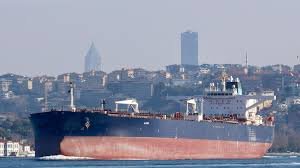
Russian Oil Tankers: A Deep Dive into a Changing Energy Landscape
The landscape of global energy trade has been dramatically reshaped following the imposition of sanctions on Russia in response to the conflict in Ukraine. A central element of this shift revolves around Russian oil tankers and the intricate strategies employed to circumvent restrictions and maintain the flow of crude oil to international markets. What was once a relatively straightforward process has become a complex web of shadow fleets, price caps, and evolving geopolitical maneuvering.
The Impact of Sanctions on Russian Oil Exports
Initially, sanctions aimed to directly target Russian oil exports. However, the resilience of the Russian energy sector, coupled with the emergence of alternative routes and tactics, has presented significant challenges to these efforts. The G7 nations implemented a price cap on Russian oil, aiming to limit Russia’s revenue while keeping oil flowing to prevent global price spikes. This cap, however, has had mixed results, with reports suggesting widespread circumvention.
The Rise of the ‘Shadow Fleet’
One of the most notable developments has been the proliferation of a “shadow fleet” of oil tankers. These are vessels, often older and with opaque ownership structures, that have been repurposed to transport Russian oil. Many are registered in countries that haven’t imposed sanctions, making tracking and enforcement difficult. This fleet allows Russia to continue exporting oil, albeit with increased logistical complexity and risk. Reuters provides detailed analysis on this phenomenon.
Key Players and Routes
Several key players are involved in this complex trade. Shipping companies based in countries like Turkey, India, and the United Arab Emirates have become increasingly prominent in facilitating Russian oil shipments. Common routes now include longer voyages around Africa and through the Suez Canal to avoid scrutiny in European waters. The port of Novorossiysk in Russia has become a crucial hub for these operations.
Price Caps and Circumvention Techniques
While the price cap aims to limit Russia’s revenue, various techniques are used to circumvent it. These include:
- Blending: Mixing Russian oil with oil from other sources to obscure its origin.
- Ship-to-Ship Transfers: Transferring oil between tankers at sea to disguise the original source.
- Opaque Ownership: Utilizing shell companies and complex ownership structures to hide the true beneficiaries of the trade.
The Future of Russian Oil Tankers and Global Energy Markets
The situation surrounding Russian oil tankers is dynamic and constantly evolving. Increased enforcement of sanctions, coupled with potential shifts in global demand, could significantly impact the future of this trade. The long-term consequences for global energy markets remain uncertain, but it’s clear that the era of easy access to Russian oil is over. The Council on Foreign Relations offers ongoing updates on the geopolitical implications of the conflict in Ukraine and its impact on energy markets.
Understanding the intricacies of this situation is crucial for policymakers, energy traders, and anyone interested in the future of global energy security.