Panic Buying: Understanding the Psychology and Impact of Scarcity
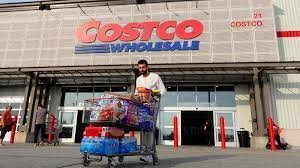
The Phenomenon of Panic Buying: Why We Hoard and How to Stop
We have all seen the images: empty grocery store shelves, long queues, and people clutching multiple packs of toilet paper or bottles of hand sanitizer. This is panic buying—a social phenomenon where consumers buy large quantities of a product due to fears of a future shortage.
But why does this happen? And more importantly, how does it affect the broader economy and our own mental well-being? Let’s dive into the mechanics of scarcity and the psychology of the modern consumer.
The Psychology Behind the Panic
Panic buying isn’t usually about the product itself, but about the feeling of control. When the world feels unpredictable, securing a physical resource provides a temporary sense of security. Several psychological triggers are at play:
- n
- Herd Mentality: When we see others stocking up, our brains signal that there is a genuine threat, prompting us to mimic the behaviour to avoid being left behind.
- Loss Aversion: Humans are biologically wired to fear loss more than they value gain. The fear of not having a product outweighs the logic of whether we actually need ten boxes of pasta.
- The Scarcity Principle: In economics, when an item is perceived as rare or dwindling, its perceived value increases, driving an urgent desire to acquire it immediately.
The Domino Effect on the Supply Chain
One of the most dangerous aspects of panic buying is that it creates a self-fulfilling prophecy. The supply chain is designed for steady, predictable demand. When a sudden spike occurs, the system cannot react instantly, leading to actual shortages.
This artificial scarcity often leads to price gouging, where opportunistic sellers increase prices unfairly, further stressing the consumer and the economy. To understand more about how markets react to these shifts, you can explore the principles of Supply and Demand on Investopedia.
How to Avoid the Panic Buying Cycle
Staying rational during a crisis is easier said than done, but these practical tips can help you and your community maintain stability:
- Stick to Your List: Buy only what you normally use. Overstocking leads to waste and deprives others of essentials.
- Diversify Your Sources: If your usual supermarket is empty, try local smaller vendors or different brands. Often, the “panic” is limited to one specific brand or store.
- Verify the Information: Before rushing to the store, check official government or health reports. Social media often amplifies fear through unverified rumours.
- Practice Mindful Consumption: Ask yourself: “Do I actually need this right now, or am I buying this because I saw someone else do it?”
Final Thoughts: Community Over Competition
At its core, panic buying is a reaction to fear. By choosing rationality over impulse, we not only save money and reduce waste but also ensure that vulnerable members of our community have access to the essentials they need.
Remember: A stable supply chain depends on stable consumer behaviour. The next time you feel the urge to hoard, take a deep breath and remember that cooperation is the best strategy for long-term security.
📰 You May Also Like