Understanding APEC: Driving Economic Growth and Trade Cooperation in the Asia-Pacific
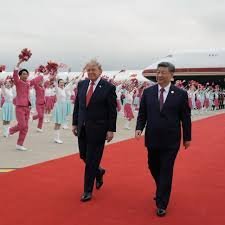
The Power of APEC: Shaping the Future of Global Trade
In an increasingly interconnected world, the Asia-Pacific Economic Cooperation (APEC) stands as a cornerstone of regional stability and economic prosperity. For businesses and policymakers, understanding the dynamics of APEC is not just an academic exercise—it is a strategic necessity for navigating the modern global marketplace.
What Exactly is APEC?
APEC is a regional economic forum established to leverage the growing interdependence of the Pacific Rim. It comprises 21 member economies that together account for a significant portion of global GDP and trade. Unlike traditional treaties, APEC operates on the basis of non-binding commitments and open dialogue, fostering a collaborative environment where members work toward trade liberalization and economic growth.
Why APEC Matters for the Global Economy
The primary goal of APEC is to create a sustainable and inclusive economic environment. Here are the key pillars that drive its success:
- n
- Trade Liberalization: By reducing tariffs and removing non-tariff barriers, APEC makes it easier for goods and services to move across borders.
- Sustainable Growth: APEC focuses on balancing economic expansion with environmental stewardship and social equity.
- Digital Transformation: With the rise of the digital economy, APEC promotes the harmonization of e-commerce rules and digital trade standards.
- Inclusive Cooperation: Ensuring that small and medium-sized enterprises (SMEs) have the tools and access to compete in international markets.
Canada’s Strategic Role in the Asia-Pacific
For Canada, APEC is a vital gateway to the Indo-Pacific region. By actively participating in this forum, Canada strengthens its diplomatic ties and opens new avenues for Canadian exporters in sectors like agriculture, energy, and technology. The strategic alignment within APEC allows Canada to advocate for a rules-based international trading system, which is essential for long-term economic stability.
Looking Ahead: The Future of Regional Cooperation
As we move further into the 21st century, APEC is pivoting toward critical challenges such as climate change and supply chain resilience. The focus is shifting from simple trade volume to the quality of trade—emphasizing green energy transitions and ethical labour practices.
To learn more about the latest initiatives and member agreements, you can visit the official APEC website, which provides comprehensive data on regional economic trends.
Conclusion
Whether you are an entrepreneur looking to expand into Asian markets or a citizen interested in global geopolitics, APEC represents the bridge between diverse economies. By fostering cooperation over competition, APEC continues to drive the engine of global prosperity.
📰 You May Also Like