Powerful 7.4 Magnitude Earthquake Strikes Chiapas, Mexico: Regional Impact and Safety Updates
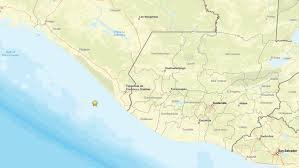
Seismic Shockwave: Major Earthquake Hits Southern Mexico
A powerful earthquake with a magnitude of 7.4 struck the southern region of Mexico this Friday, sending shockwaves across the border into neighboring Guatemala and El Salvador. According to the U.S. Geological Survey (USGS), the quake was classified as “very strong,” causing significant alarm across Central America.
The epicenter was located approximately 58 kilometers west-southwest of Puerto Madero, in the municipality of Tapachula, within the state of Chiapas. Due to its shallow depth of only 10 kilometers, the intensity felt on the surface was significantly amplified, leading to severe shaking in coastal areas.
Impact in Chiapas and Mexico
In the state of Chiapas, the Civil Protection Secretariat reported two injuries: one individual who jumped from a third-story building and another injured by a falling door at a car dealership. While no fatalities were reported, the seismic event caused various structural issues, including:
- n
- Gas leaks in residential and commercial areas.
- Detached ceilings in two local hotels.
- Cracks in walls and the collapse of several boundary walls.
Mexico’s President, Claudia Sheinbaum, confirmed via social media that while there are no reports of grave damage in Chiapas or Tabasco, safety remains the priority. The Mexican Navy (Semar) advised citizens to stay away from beaches for several hours following the event due to erratic sea levels.
Regional Consequences: Guatemala and El Salvador
The tremor was felt intensely in Guatemala, where the National Institute of Seismology, Vulcanology, Meteorology, and Hydrology (INSIVUMEH) reported the quake originated near the border with Chiapas. In Guatemala, the Conred (National Coordinator for Disaster Reduction) reported:
- Widespread shaking in departments such as San Marcos, Quetzaltenango, and Escuintla.
- Emergency evacuations of schools and municipal buildings.
- Minor structural damage to homes in Santa María de Jesús.
Guatemalan President Bernardo Arévalo assured the public that there were no fatalities and that the government is monitoring the situation minute by minute. Meanwhile, in El Salvador, the Ministry of Environment ruled out any tsunami threat, and local firefighters reported no immediate damages.
Tsunami Alerts and Aftershocks
Shortly after the main event, the Tsunami Alert Center of the Mexican Navy issued a warning for the South Pacific coast of Mexico (specifically Chiapas and Oaxaca) and the coasts of Guatemala. Reports indicated abnormal sea level variations of up to 105 centimeters and small tsunami waves of approximately 30 centimeters appearing near the coast.
The National Seismological Service (SSN) of Mexico noted a high frequency of seismic activity following the initial quake, recording 60 aftershocks within a few hours, the strongest of which reached a magnitude of 6.5.
Essential Safety Recommendations
Following a major seismic event, authorities recommend the following precautions to ensure public safety:
- Avoid Open Flames: Do not light matches or candles until gas leaks have been ruled out.
- Communication: Use telephones only for emergency calls to keep lines open.
- Structural Check: Carefully inspect your home for new cracks or structural instability before re-entering.
- Stay Informed: Follow official updates from Civil Protection and avoid spreading unverified rumors.
📰 You May Also Like