
Sauvetage: The Essential Guide to Modern Rescue Operations and Life-Saving Techniques
When we talk about sauvetage (the French term for rescue), we are referring to more than just a physical act of saving someone from danger. It is a complex intersection of bravery, precision, advanced technology, and rapid decision-making. Whether it is a mountain rescue in the Rockies, a maritime operation in the Atlantic, or urban search and rescue after a natural disaster, the goal remains the same: preserving human life against all odds.
What Exactly is Sauvetage?
At its core, sauvetage encompasses all activities designed to extract individuals from hazardous environments. This includes everything from medical evacuations to complex technical rescues. In the modern era, these operations have evolved from simple manpower to highly coordinated efforts involving multiple agencies and cutting-edge equipment.
The Three Main Pillars of Rescue Operations
- n
- Land Rescue: Includes wilderness search and rescue (SAR), mountain recovery, and urban extraction during structural collapses.
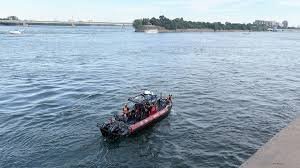
- Maritime Rescue: Focused on saving individuals from drowning, shipwrecks, or navigating treacherous waters, often coordinated by coast guards.
- Aerial Rescue: Utilizing helicopters and drones to reach inaccessible locations or perform hoist operations in remote terrains.
The Role of Technology in Modern Sauvetage
The efficiency of a rescue mission often depends on the tools available. Technology has revolutionized the way we approach sauvetage, reducing response times and increasing survival rates.
Drones and UAVs: Unmanned Aerial Vehicles are now used to scan vast areas of terrain using thermal imaging to find missing persons far faster than ground teams could.
GPS and Satellite Tracking: With the integration of global positioning systems, rescue teams can pinpoint a victim’s location with incredible accuracy, even in the middle of the ocean or deep in a forest.
Advanced Communication Systems: Satellite phones and mesh networks ensure that teams stay connected in “dead zones,” allowing for real-time coordination with command centres.
How to Prepare: The First Steps in an Emergency
While professionals handle the heavy lifting of sauvetage, the actions taken in the first few minutes of an emergency are often the most critical. Here are a few essential tips for anyone facing a crisis:
- Stay Calm: Panic leads to poor decision-making. Take a deep breath and assess the situation.
- Signal for Help: Use mirrors, whistles, or bright clothing to make yourself visible to rescue teams.
- Stay Put: If you are lost or stranded, staying in one place makes it significantly easier for SAR teams to locate you.
- Basic First Aid: Knowing how to stop bleeding or perform CPR can be the difference between life and death before professional help arrives.
The Humanitarian Impact of Rescue Efforts
Beyond the technical aspects, sauvetage is a testament to human solidarity. Organizations like the International Federation of Red Cross and Red Crescent Societies (IFRC) work tirelessly across the globe to provide disaster relief and rescue services in the wake of catastrophes.
These efforts are not just about the physical rescue but also about providing the psychological support and medical care necessary for survivors to recover and rebuild their lives.
Conclusion
The world of sauvetage is one of constant evolution. As climate change increases the frequency of extreme weather events, the demand for sophisticated rescue operations will only grow. By combining human courage with technological innovation, we can ensure that help arrives faster and more effectively than ever before.



