
Tensions Peak: United States and Iran Engage in Unprecedented Military Clashes
The geopolitical landscape of the Middle East has shifted violently once again. In a series of strikes described as the most significant since the April ceasefire, the United States and Iran have engaged in a dangerous cycle of retaliation. At the center of this storm lies the Strait of Hormuz, a narrow waterway that serves as the jugular vein for global energy supplies.
The Spark: Battle for the Strait of Hormuz
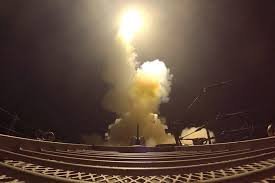
The conflict reignited following attacks on commercial vessels attempting to navigate the strategic passage. Washington claims that Iran targeted the GFS Galaxy, a Cypriot-flagged container ship, leaving several crew members missing or rescued by Omani forces. In response, the United States launched a coordinated air campaign aimed at neutralizing Iranian aggression.
According to CENTCOM (U.S. Central Command), the strikes specifically targeted:
- n
- Air Defense Systems: To limit Iran’s ability to intercept incoming projectiles.
- Coastal Radars: To blind surveillance along the strategic coastline.
- Missile and Drone Capabilities: Reducing the threat of asymmetric warfare.
- Small Naval Craft: To prevent further harassment of civilian shipping.
Economic Fallout: Oil Prices Surge
The volatility of the region has sent shockwaves through the global economy. With Iran threatening to close the Strait of Hormuz—a route through which roughly one-fifth of the world’s crude oil passes—energy markets reacted instantly. The Brent Crude benchmark for September delivery jumped by more than 4%, climbing to $79.13 per barrel.
For countries like Canada, which maintain a strong presence in the global energy market, these fluctuations underscore the fragile link between Middle Eastern stability and global inflation.
A Region on the Brink: Beyond the Strikes
This escalation is not happening in a vacuum. The fragile protocol signed on June 17 between Washington and Tehran has effectively collapsed. While the UN Secretary-General, Antonio Guterres, has called for “utmost restraint” and an urgent return to negotiations, the rhetoric on the ground remains aggressive.
The fallout extends across borders:
- Jordan, Bahrain, and Kuwait: Iranian Revolutionary Guards have targeted US military bases in these nations, leading to air sirens and missile interceptions.
- Regional Chaos: The conflict coincides with political upheaval in Israel, upcoming Palestinian elections, and ongoing instability in Syria.
What Happens Next?
The United States maintains that its primary objective is to ensure the freedom of navigation and protect civilian crews. However, Tehran views the Strait of Hormuz as a sovereign tool of leverage, asserting that the passage is “more important than dozens of atomic bombs.”
As the world watches, the risk of a full-scale regional war looms, threatening not only geopolitical stability but the very foundations of global trade and energy security.



