
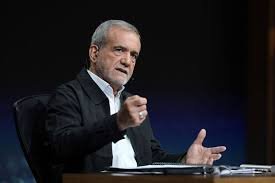
The Weight of the Office: Understanding the Modern Presidency
In the current geopolitical landscape, the term President represents more than just a political title; it symbolizes the pinnacle of executive power and the face of a nation’s sovereignty. Whether in a presidential system or as a ceremonial head of state, the influence of a president extends far beyond national borders, shaping trade agreements, security alliances, and global diplomatic relations.
Presidential vs. Parliamentary Systems: A Global Perspective
For those in Canada, the distinction between a presidential system and a parliamentary system is a fundamental point of political study. While Canada operates under a constitutional monarchy with a Prime Minister, many of its closest allies utilize a presidential model. The primary differences include:
- n
- Executive Power: In presidential systems, the president often serves as both the head of state and the head of government.
- Separation of Powers: There is typically a more rigid separation between the legislative and executive branches.
- Mandate: Presidents are often elected for a fixed term, providing a different rhythm of governance compared to the flexible timelines of parliamentary confidence.
The Challenges of Leadership in the 21st Century
Today’s presidents face a set of challenges that were non-existent a few decades ago. The digitalization of diplomacy and the rise of instant communication have changed how leaders interact with their citizens and the world.
Key pressure points for modern leadership include:
- n
- Climate Crisis: Leading the transition to green energy requires a balance between economic stability and environmental urgency.
- Technological Disruption: Managing the rise of Artificial Intelligence and cybersecurity threats is now a core component of national security.
- Global Health: As seen in recent years, a president’s ability to coordinate with international bodies like the World Health Organization (WHO) is critical for survival and recovery.
The Legacy of Impactful Governance
Ultimately, the success of a president is not measured by the power they wield, but by the legacy they leave behind. Effective leadership requires a blend of decisive action and the ability to build consensus across diverse populations. In an era of polarization, the most successful leaders are those who can bridge divides and foster international cooperation.
To learn more about the theoretical foundations of executive leadership, you can explore the detailed archives of Encyclopædia Britannica, which provides a comprehensive history of the office across different cultures.



