
Unlocking the Past: The Fascinating Medieval Morocco Game Found in an Ancient Bathhouse
Imagine stepping back in time to the bustling streets of medieval North Africa, where the air is thick with the scent of cedarwood and the sound of lively chatter fills the public squares. In the heart of this ancient world, social life revolved around community hubs, and one of the most intriguing discoveries has just emerged from the ruins of Walīla, Morocco.
Archaeologists have uncovered what appears to be an ancient Morocco game board, etched into the very stone of a medieval hammam (public bathhouse). This find isn’t just a curiosity; it provides a rare glimpse into the leisure and social habits of people living over a millennium ago.
The Discovery: A Game Carved in Stone
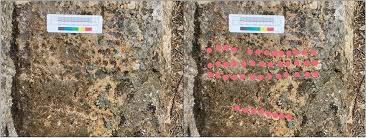
Led by Tim Penn from the University of Reading, a team of researchers identified a unique board measuring approximately 13 inches long by four inches wide. The board was found in a strategic location: the top step leading into a cold plunge pool.
Key details of the find include:
- n
- Design: Three rows consisting of at least 13 small, meticulously carved holes.
- The Game: Researchers believe it was used for tāb/sig, a traditional board game.
- Historical Significance: This discovery marks the earliest known evidence of this specific game in North Africa.
More Than Just a Bath: The Social Hub of Walīla
The hammam where the board was discovered is estimated to have been built between the late 8th and early 9th centuries, remaining in use until the 10th or 11th century. But this wasn’t just a place for hygiene; it was a center for networking, gossip, and entertainment.
The placement of the game board—visible to everyone entering or exiting the water—suggests that playing this Morocco game was a regular part of the bathhouse experience. It indicates a culture where relaxation and mental stimulation went hand-in-hand.
Gaming in the Medieval Islamic World
Board games held a prestigious place in the medieval Islamic world. From intricate poetry to historical chronicles, records show that strategy games were highly valued across Arabia and the Middle East. This find in Morocco bridges the gap, showing how these cultural trends migrated and flourished in North Africa.
For those interested in the technical details of the excavation, the full scholarly research has been published in Libyan Studies and highlighted by Phys.org, emphasizing the importance of site-specific contexts in understanding ancient human behaviour.
Conclusion: A Window into Ancient Leisure
The discovery of the tāb/sig board in Walīla reminds us that while technology changes, the human desire for competition, social interaction, and play remains timeless. This ancient Morocco game is more than just stone and holes; it is a testament to the vibrant social fabric of medieval North African society.



