Tunisia vs. Japan: Analyzing Tactical Positions and Predicted Lineups
When the Tunisia national football team faces off against the Japan national football team, fans can expect a fascinating clash of styles. One brings the disciplined, physical resilience of North African football, while the other offers the technical precision and lightning-fast transitions characteristic of East Asian dominance. Understanding the positions of the selection is key to predicting how this match will unfold.
Tunisia’s Tactical Approach: Solidity and Counter-Attack
Tunisia is renowned for its organizational strength. Historically, they prefer a structured defensive block that is difficult to break down, relying on a strong spine to absorb pressure before launching rapid counter-attacks.
Predicted Tactical Setup: Tunisia often employs a 4-3-3 or a more conservative 5-4-1 depending on the opponent’s strength. Their focus is on neutralizing the opponent’s playmakers through aggressive marking in the midfield.
- Defense: A rigid backline focused on spatial awareness and physical strength.
- Midfield: A mix of defensive anchors and one creative outlet to transition the ball forward.
- Attack: Fast wingers who can exploit the flanks and a target man to hold up the ball.
Japan’s Strategic Blueprint: Fluidity and High Pressing
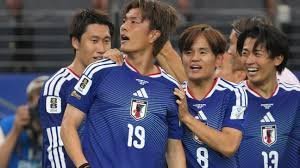
The Japan national team is a model of modern football, emphasizing ball possession, short passing, and high-intensity pressing. Their ability to rotate positions makes them one of the most unpredictable teams on the global stage.
Predicted Tactical Setup: Japan typically utilizes a dynamic 4-2-3-1. This formation allows them to dominate the center of the pitch and create overloads in the final third.
- Defense: Ball-playing center-backs who initiate the attack from the back.
- Midfield: Highly technical midfielders capable of switching the play rapidly.
- Attack: A fluid front four that interchanges positions to confuse the opposition’s markers.
Key Positional Battle: The Midfield War
The match will likely be decided in the center of the pitch. Japan’s desire to control the tempo will clash with Tunisia’s intent to disrupt the flow. If Tunisia can successfully shut down Japan’s creative hub, they can force mistakes and find success on the break.
Conversely, if Japan maintains their passing accuracy and moves the ball quickly, they will likely pull the Tunisian defenders out of position, creating gaps for their agile forwards to exploit.
Predicted Lineups Comparison
| Feature | Tunisia Selection | Japan Selection |
|---|---|---|
| Primary Formation | 4-3-3 / 5-4-1 | 4-2-3-1 |
| Style of Play | Reactive/Counter-attacking | Proactive/Possession-based |
| Key Strength | Defensive discipline | Technical agility |
Final Thoughts
This matchup is more than just a game; it is a tactical chess match. While Tunisia’s positions are designed to protect and strike, Japan’s positions are designed to create and dominate. For more detailed statistics and official rankings, you can visit the FIFA official website.
Who do you think will prevail? Whether it’s the resilience of Tunisia or the precision of Japan, this encounter promises high-level football and strategic intrigue.