
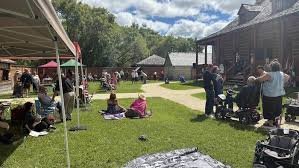
Honouring the Spirit of the Métis: A Day of Culture and Connection
In the spirit of the Journée des Peuples Autochtones (National Indigenous Peoples Day), the Métis community recently gathered for a powerful display of identity, resilience, and joy. The Union nationale métisse Saint-Joseph du Manitoba (UNMSJM) hosted its annual Métis picnic at the historic Fort Gibraltar, transforming the site into a vibrant hub of cultural exchange and family reunion.
More than just a social gathering, this event serves as a vital link between the past and the future. For the Métis people, these celebrations are a way to reclaim their space and ensure that their unique heritage continues to thrive in modern Canada.
A Living Tradition: More Than Just a Picnic
Richard Turenne, Director General of the UNMSJM, emphasizes that this gathering carries deep historical weight. Historically, these events functioned similarly to an annual general meeting—a time where the community didn’t just celebrate with food and games, but also made critical political decisions to ensure their survival as a distinct people.
“140 years later, it is essential to keep the flame of Métis culture alive,” Turenne explains. He compares the visibility of the event to the Grand Tintamarre in Acadia, noting the pride that comes with openly stating, “I am Métis.”
Empowering the Next Generation
A key highlight of the celebration was the focus on youth. Through creative workshops led by Gabrielle Boulet, children aged 2 to 17 were encouraged to explore their roots through art. Activities included:
- n
- Orange Shirt Painting: Creating art for the month of September to honor residential school survivors.
- Nature-Inspired Art: Painting prairie flowers, which serve as the inspiration for traditional Métis beadwork.
- Intergenerational Bonding: Encouraging parents to paint alongside their children, fostering a shared cultural experience.
The Art of Ancestry: Traditional Craftsmanship
The picnic also showcased the enduring skill of Métis artisans. Visitors were drawn to the stand of Yvette and Marcel Audette, where 86-year-old Marcel continues to craft traditional necklaces using natural materials such as:
- Deer antlers
- Moose antlers
- Oak wood fragments
This dedication to craftsmanship is a testament to the patience and passion required to preserve the material culture of the Métis Nation.
Education, Politics, and the Legacy of Louis Riel
The event was not without its forward-looking achievements. The Société historique métisse du Manitoba announced a post-secondary scholarship awarding $500 to two deserving Métis students pursuing their studies in French, highlighting the importance of linguistic preservation within the community.
Robert Loiselle, Member of Parliament for Saint-Boniface, spoke passionately about the evolution of Métis visibility. He noted that for too long, Métis identity was kept hidden within the broader Francophone community. Today, however, there is a proud recognition of Louis Riel as the father of Manitoba, ensuring that children grow up knowing the history of their land.
A Symphony of Culture
The atmosphere was completed by the sounds of traditional and contemporary music, featuring performances by Andrina Turenne, Gilles Crevier, and the Barn Boys. Through these melodies and gatherings, the UNMSJM continues to create essential spaces for the transmission of culture, ensuring that the Métis legacy remains vibrant for generations to come.
To learn more about the significance of Indigenous celebrations across the country, you can visit the official Government of Canada page on National Indigenous Peoples Day.



