
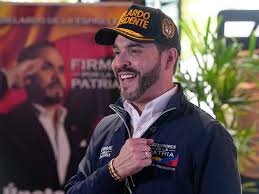
The Rise of ‘The Tiger’: Can Abelardo de la Espriella Redefine Colombia’s Future?
In the southern town of San Jose del Guaviare, the atmosphere is electric. Amidst a light drizzle, crowds clad in bright yellow national football jerseys gather, their voices blending with the blare of car horns and plastic trumpets. At the center of this storm is Abelardo de la Espriella, a political newcomer known as “The Tiger,” who has rapidly emerged as a leading contender for the presidency of Colombia.
But who is the man promising to lead Colombia with an “iron fist,” and why is his candidacy sparking both hope and alarm across the nation?
Beyond the Courtroom: The Eclectic World of de la Espriella
Unlike traditional politicians, Abelardo de la Espriella didn’t climb the party ladder. A 47-year-old criminal defense lawyer, he first made a name for himself representing some of the most controversial figures in the country. His client list is a political map in itself, ranging from former right-wing President Alvaro Uribe to Alex Saab, a former minister in Venezuela’s left-wing government.
Outside the legal arena, de la Espriella is a true polymath of business. His empire includes:
- n
- High-end menswear and fashion.
- The production of premium rum and whiskey.
- Classical music albums.
- A restaurant in the Miami area.
n
n
n
n
This blend of business acumen, fiery rhetoric, and slick marketing has resonated deeply with a population exhausted by established political elites.
The “Iron Fist” Strategy: Security at Any Cost
The cornerstone of de la Espriella’s campaign is a hardline approach to security. In a landscape scarred by six decades of conflict between government forces, rebels, and cartels, “The Tiger” offers a radical alternative to the current administration’s “Total Peace” policy.
His proposed security measures include:
- n
- Mega-Prisons: The construction of 10 privately run mega-prisons to house criminals.
- Harsher Sentencing: A significant increase in prison terms for violent crimes.
- Aggressive Interdiction: A controversial pledge to shoot down aircraft found transporting drugs.
- Crop Eradication: The return of aerial spraying of glyphosate to destroy coca farms.
n
n
n
n
These policies have drawn inevitable comparisons to far-right leaders like Nayib Bukele in El Salvador and Donald Trump in the United States—the latter of whom has endorsed de la Espriella’s bid for power.
A Polarized Nation: Hope vs. Risk
For many Colombians, like former business owner Luisa Castro, de la Espriella represents the only solution to rampant extortion and violence. Many who previously supported the left-wing President Gustavo Petro have felt disillusioned as security situations in rural areas deteriorated.
However, political analysts warn that this “radical” shift could come with a heavy price. Experts from Javeriana University suggest that de la Espriella’s approach differs from previous right-wing movements. His tendency to clash with journalists and his proposals to withdraw from international bodies like the United Nations suggest a move toward a non-institutional right wing.
The Road Ahead: Legal and Fiscal Hurdles
While his popularity is surging, de la Espriella faces significant obstacles. The Colombian Constitutional Court has historically limited policies such as life imprisonment and aerial fumigation. Furthermore, severe budgetary constraints may hinder his ability to build mega-prisons or drastically increase military spending.
As Colombia heads toward a decisive run-off, the choice is clear: a continuation of negotiated peace or a gamble on the uncompromising strength of “The Tiger.” Whether this leads to stability or further escalation remains the most pressing question for the Colombian people.



