
JBS USA Plant Closures: What It Means for the Future of Beef Prices
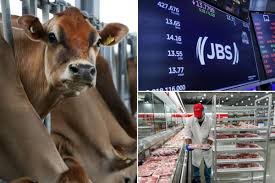
In a move that has sent ripples through the American food supply chain, JBS USA, one of the world’s largest meat-processing companies, has announced the closure of two major plant locations in Philadelphia and Memphis. This strategic pivot is not just a corporate restructuring; it is a signal of the volatile state of the US meat industry.
The closures will result in the elimination of approximately 2,000 jobs, a decision that CEO Wesley Batista Filho describes as “never easy,” emphasizing the company’s commitment to supporting affected team members through this transition.
The Strategic Shift: Efficiency vs. Availability
JBS USA is currently executing a broader strategy focused on modernization and long-term competitiveness. By consolidating its beef and case-ready businesses, the company aims to enhance productivity. However, the scale of JBS’s influence is massive: they control roughly 20% of the slaughtering capacity for US cattle and hogs.
When combined with other giants like Tyson, Cargill, and National Beef, these four companies process about 85% of the nation’s grain-fed cattle. With such a concentrated market, any operational change at JBS USA can have a direct impact on the availability and cost of meat on grocery store shelves.
The Beef Paradox: Rising Prices, Rising Demand
The timing of these closures is particularly concerning for consumers. The US is currently facing a “perfect storm” in the beef market:
- n
- Shrinking Herds: Cattle populations have hit a 75-year low due to record droughts and rising production costs.
- Surging Prices: According to data from the US Department of Agriculture (USDA), the average price of beef climbed from $8.70 per pound in March 2025 to $10.08 a year later—a steep 16% increase.
- Unstoppable Demand: Despite the price hikes, American appetites remain strong. In 2025, shoppers spent over $45 billion on beef, purchasing more than 6.2 billion pounds.
This creates a strange paradox: consumers are paying more, yet they are buying more beef than ever before.
Financial Struggles and the Poultry Pivot
Despite the high consumer demand, JBS USA has been grappling with significant financial losses. In the first quarter of 2026, the company reported a net loss of $279 million, a sharp increase from the $158 million loss recorded in the same period of 2025.
This financial pressure extends to their poultry operations. Pilgrim’s Pride, owned by JBS, is transitioning chicken production from Chattanooga, Tennessee, to Ellijay, Georgia. While JBS is investing $75 million into the Georgia facility to boost the production of boneless chicken products, the move will unfortunately cost 348 employees their jobs.
Final Thoughts: What to Expect at the Checkout
While JBS USA maintains that these closures are necessary for a “stronger and more resilient company,” industry experts warn that fewer processing options could lead to further price instability. For the average consumer, the message is clear: the cost of beef is likely to remain high as the industry struggles to balance efficiency with a shrinking supply of cattle.
To stay updated on meat market trends and food inflation, we recommend following reports from the National Cattlemen’s Beef Association.



