
The DOJ Stands Its Ground: The Battle Over the Anti-Weaponization Fund
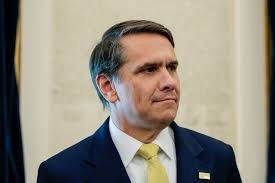
A high-stakes legal tug-of-war is unfolding in Alexandria, Virginia, as the Department of Justice (DOJ) pushes back against a judicial request that it deems an overreach of power. At the center of the storm is the controversial Anti-Weaponization Fund and the leadership of acting Attorney General Todd Blanche.
What is the Anti-Weaponization Fund?
To understand the current conflict, one must look back at the origin of the fund. The so-called Anti-Weaponization Fund was a proposed $1.8 billion initiative born from a settlement of a lawsuit filed by former President Donald Trump against the IRS.
The fund’s intended purpose was to compensate individuals who claimed they were victims of government “weaponization” by previous administrations. However, the proposal was immediately met with fierce criticism, with opponents labeling it a potential “slush fund” for political allies.
The Judicial Demand vs. DOJ Refusal
As legal challenges mounted, the administration eventually abandoned the plan. However, Judge Leonie M. Brinkema is not satisfied with simple assurances. In a recent order, she requested formal court declarations from key figures, including:
- n
- Todd Blanche (Acting Attorney General)
- Stan Woodward (Associate Attorney General)
- Scott Bessent (Treasury Secretary)
The judge sought a written guarantee that these officials would not take any action to revive or operate the fund under any name. Without these declarations, Judge Brinkema indicated that the legal proceedings would continue.
Why the DOJ is Saying “No”
In a bold court filing, the Justice Department argued that such declarations are “unnecessary.” The DOJ contends that the judge’s demand raises serious concerns regarding the separation of powers—a fundamental principle of the U.S. Department of Justice and the American legal system.
The DOJ highlighted two main points to support its position:
- Previous Testimony: Todd Blanche has already testified before Congress, stating unequivocally that the fund is “not going forward, period.”
- Existing Filings: Associate Attorney General Stan Woodward has already signed court documents echoing the same sentiment.
Overreach or Oversight?
The tension reached a boiling point on social media, where a DOJ account on X clarified that the judge’s demand was essentially an attempt to force the court to personally sign off on all future settlements. The Department argued that judges cannot simply insert themselves into the routine settlement authority of the executive branch.
As this case progresses, it serves as a critical example of the ongoing friction between judicial oversight and executive autonomy in the United States.



