
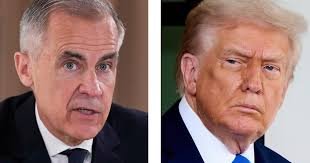
The Economic Collision Course: Mark Carney vs. Donald Trump
As global political landscapes shift, the intersection of Canadian economic leadership and American protectionism has become a focal point for investors and policymakers alike. With Mark Carney—the former Governor of the Bank of Canada and the Bank of England—increasingly positioned as a key economic strategist, the prospect of facing a potential Donald Trump administration presents a complex challenge for Canada’s trade stability.
The primary concern lies in the volatility of trade relations. Trump’s history of implementing aggressive tariffs and his skepticism toward multilateral agreements create a precarious environment for a nation as trade-dependent as Canada.
Why Mark Carney Matters in the Trade Debate
Mark Carney is not just a central banker; he is a global financial architect. His expertise in managing systemic risk and navigating international markets makes him a critical figure in preparing Canada for a “trade war” scenario. Unlike traditional politicians, Carney approaches trade through the lens of economic resilience and sustainable growth.
Key areas where Carney’s influence could be pivotal include:
- n
- USMCA Renegotiations: Ensuring that the United States-Mexico-Canada Agreement remains a stable framework for North American commerce.
- Tariff Mitigation: Developing strategic economic buffers to protect Canadian industries from sudden U.S. import levies.
- Diversification: Accelerating Canada’s efforts to find new markets outside of the U.S. to reduce vulnerability.
The Trump Factor: Tariffs and Trade Pressure
Donald Trump’s approach to trade is often characterized by a “America First” philosophy. For Canada, this typically manifests as pressure on the automotive sector, dairy imports, and lumber. The unpredictability of this approach requires a counter-strategy that is both firm and diplomatically agile.
If a Trump administration pushes for renewed tariffs, Canada will need an economic leader who can speak the language of Wall Street and Washington while safeguarding domestic interests. This is where the synergy—or clash—between Carney’s technocratic precision and Trump’s populist disruption becomes a defining narrative for the Canadian economy.
Looking Ahead: Stability in an Era of Volatility
The future of Canada-US trade will likely be determined by how well Canada can leverage its strategic importance to the U.S. supply chain. By focusing on critical minerals and energy security, Canada can create leverage that transcends political volatility.
For further insights into the current state of international trade regulations, the World Trade Organization (WTO) provides comprehensive data on global tariffs. Additionally, staying updated via the Bank of Canada can provide a deeper understanding of how monetary policy interacts with trade shocks.
Conclusion: Whether through formal political leadership or advisory roles, the strategies employed by figures like Mark Carney will be essential in navigating the turbulent waters of a Trump-led trade era, ensuring Canada remains competitive and prosperous on the global stage.



