
US and Iran News: Understanding the Current State of Diplomatic Tensions
The geopolitical landscape of the Middle East has long been defined by the volatile relationship between the United States and Iran. From nuclear negotiations to economic sanctions, the US and Iran news cycle is often filled with tension, strategic maneuvering, and diplomatic hurdles. Understanding these dynamics is crucial for anyone following global security and international trade.
The Core of the Conflict: Sanctions and Diplomacy
For years, the primary tool used by the U.S. government to pressure Tehran has been a rigorous regime of economic sanctions. These measures aim to limit Iran’s ability to fund regional proxies and discourage the development of nuclear capabilities. However, the impact of these sanctions extends beyond government offices, affecting the Iranian economy and its civilian population.
Diplomacy often fluctuates between periods of intense negotiation and total deadlock. The legacy of the Joint Comprehensive Plan of Action (JCPOA), or the “Iran Nuclear Deal,” remains a central point of contention. While some argue for a return to the agreement to ensure regional peace, others advocate for a “maximum pressure” campaign to force more stringent concessions.
Key Areas of Tension in Recent US and Iran News
To better understand the current state of affairs, it is essential to look at the following friction points:
- n
- Nuclear Proliferation: The ongoing monitoring of Iran’s uranium enrichment levels by the International Atomic Energy Agency (IAEA) remains a top priority for U.S. intelligence.
- Regional Proxy Influence: The U.S. frequently expresses concern over Iran’s support for various groups across Iraq, Syria, and Yemen, which complicates U.S. military operations in the region.
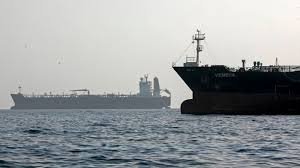
- Maritime Security: Tensions in the Strait of Hormuz often lead to skirmishes or the seizure of commercial vessels, threatening global oil supplies and shipping lanes.
What Does the Future Hold for US-Iran Relations?
The path toward normalization is steep. Most analysts agree that any significant breakthrough in US and Iran news will require a mutual willingness to compromise on security guarantees and sanctions relief. The involvement of third-party mediators, such as the European Union or Qatar, often plays a pivotal role in maintaining a thin line of communication between Washington and Tehran.
As the global political climate shifts, the focus remains on avoiding a direct military confrontation while attempting to contain the risks associated with nuclear weaponry and regional instability.
Conclusion
The relationship between the U.S. and Iran is one of the most complex puzzles in modern diplomacy. Whether through economic leverage or high-level talks, the goal remains a stable Middle East. For more authoritative updates on international relations, you can follow the official reports from the U.S. Department of State.



