Understanding the S&P/TSX Composite Index: A Comprehensive Guide for Canadian Investors
For anyone looking to dive into the Canadian financial landscape, one term appears constantly: the S&P/TSX Composite Index. But what exactly is it, and why does it hold so much weight in the world of investing? Whether you are a seasoned trader or a beginner starting your journey, understanding this index is crucial for gauging the health of the Canadian economy.
What is the S&P/TSX Composite Index?
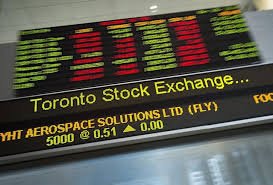
The S&P/TSX Composite Index is the primary gauge of the Canadian equity market. It tracks the performance of the largest companies listed on the Toronto Stock Exchange (TSX). Essentially, it acts as a “thermometer” for Canada’s stock market, providing a snapshot of how the country’s most valuable public companies are performing.
Unlike simple averages, the S&P/TSX is a market-capitalization-weighted index. This means that larger companies—those with a higher total market value—have a more significant impact on the index’s movement than smaller ones.
Why Should You Care About the TSX?
Tracking the S&P/TSX Composite Index is more than just watching numbers on a screen; it provides strategic insights for your portfolio:
- n
- Economic Indicator: A rising index often suggests economic growth and investor confidence in Canada.
- Benchmarking: Investors use the TSX to compare the performance of their own portfolios or specific mutual funds against the broader market.
- Diversification Strategy: By understanding the index, you can identify which sectors are over-performing or under-performing, allowing for better asset allocation.
n
n
n
Key Sectors Driving the Canadian Market
The S&P/TSX Composite Index is heavily influenced by specific industries that define the Canadian economy. If you want to understand why the index moves, keep an eye on these three pillars:
1. Financials
Canada’s “Big Five” banks represent a massive portion of the index. When the banking sector is strong, the TSX generally follows suit.
2. Energy
Given Canada’s vast oil and gas reserves, energy companies play a pivotal role. Fluctuations in global crude oil prices often lead to immediate volatility in the S&P/TSX.
3. Materials
From gold to potash, the mining and materials sector is a cornerstone of Canadian exports and a major driver of index performance.
How to Invest Based on the S&P/TSX
You don’t have to buy every single stock in the index to benefit from its growth. The most efficient way for most Canadians to gain exposure is through Exchange-Traded Funds (ETFs). These funds are designed to mirror the S&P/TSX Composite Index, giving you instant diversification across hundreds of companies with a single purchase.
For more detailed data on market standards and index methodology, you can visit S&P Dow Jones Indices, the gold standard for global index tracking.
Final Thoughts
The S&P/TSX Composite Index is more than just a financial metric; it is a reflection of Canada’s industrial strength and economic resilience. By keeping a close watch on the TSX, you can make more informed decisions, manage your risks, and align your investments with the broader trends of the Canadian market.
Disclaimer: This content is for informational purposes only and does not constitute financial advice. Always consult with a certified financial advisor before making investment decisions.