
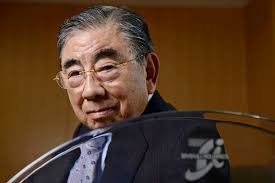
Remembering Toshifumi Suzuki: The Visionary Who Revolutionized 7-Eleven and Modern Retail
The global retail landscape has lost one of its most influential architects. Toshifumi Suzuki, the legendary founder of Seven-Eleven Japan and widely recognized as the father of the country’s convenience store industry, has passed away at the age of 93 due to heart failure.
Suzuki wasn’t just a businessman; he was a disruptor who reimagined how the world shops. His journey from a book wholesaler to the head of a retail empire is a masterclass in innovation and strategic risk-taking.
The Birth of a Retail Empire
Born in Nagano in 1932, Suzuki’s path to retail excellence began in 1963 when he joined the retailer Ito-Yokado. At a time when the concept of a “convenience store” was foreign to the Japanese market, Suzuki saw an untapped opportunity.
In 1973, defying the skepticism of his peers, he partnered with the Southland Corp (the US-based operator of 7-Eleven) to bring the franchise to Japan. By 1974, the first store opened its doors in Tokyo, marking the beginning of a retail revolution.
Innovating the “Convenience” Experience
Suzuki didn’t simply copy the American model; he perfected it. He introduced groundbreaking strategies that are now industry standards worldwide, including:
- n
- Data-Driven Inventory: He pioneered the use of real-time data to tailor stock based on consumer behavior and local demand.
- Ready-to-Eat Revolution: He shifted the focus toward high-quality, fresh, ready-to-eat meals, making convenience stores a primary food source for busy urbanites.
- Rapid Turnover: His business model centered on high inventory turnover, ensuring products were always fresh and aligned with trends.
Saving the Parent Company: A Global Impact
Suzuki’s influence extended far beyond Japan. In the early 1990s, the US parent company, Southland, faced a catastrophic financial crisis and filed for bankruptcy following a leveraged buyout. In a bold move, Suzuki led the restructuring and rescue operations, effectively saving the 7-Eleven brand from collapse and securing its future on a global scale.
A Lasting Legacy in Business
In 2005, Suzuki established Seven & i Holdings, transforming the operation into a massive retail conglomerate. Although he stepped down as chairman in 2016 following a management dispute, his influence remained unparalleled. He was known not only as a ruthless strategist but also as an avid reader who believed in continuous learning.
Toshifumi Suzuki’s legacy lives on in every 7-Eleven store that prioritizes efficiency, data, and customer convenience. He didn’t just build stores; he changed the way society interacts with commerce.



