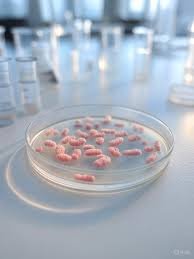
A Giant Leap for Veterinary and Human Oncology
For years, the genetic drivers behind cancer in domestic cats remained a mystery, leaving veterinarians and pet owners with limited options. However, a landmark study published in the prestigious journal Science has finally cracked the code. By completing one of the largest genetic profiles of feline tumors ever conducted, researchers are revolutionizing the way we approach cancer care for both our beloved pets and humans.
This international effort didn’t just fill a gap in veterinary knowledge; it revealed a profound biological connection between species that could lead to life-saving treatments across the board.
The Blueprint of Feline Cancer: What Was Discovered?
The research team analyzed tumor samples from nearly 500 domestic cats across five different countries. The goal was to identify the specific genetic mutations that trigger malignancy. The results were startling: cats share many of the same cancer-driving genes as dogs and humans.
One of the most significant findings involves mammary tumors. The study identified a recurring mutation in the FBXW7 gene, appearing in over half of the feline mammary tumors analyzed. Interestingly, this same mutation is linked to poorer outcomes in human breast cancer, suggesting that the biological mechanisms of the disease are remarkably similar across species.
The similarities didn’t stop at mammary glands. Researchers found genetic parallels in cancers affecting the:
- n
- Blood and Bone Marrow
- Lungs and Skin
- Gastrointestinal Tract
- Central Nervous System
The “One Medicine” Approach: Why It Matters
This study is a prime example of the “One Medicine” philosophy. This collaborative strategy posits that human and animal health are inextricably linked. Because pets often share the same living environments as their owners, they are exposed to similar environmental carcinogens, making them “sentinels” for human health.
By exchanging data between veterinary and medical researchers, the scientific community can accelerate the development of new therapies. According to the Wellcome Sanger Institute, this cross-species data flow allows for a more holistic understanding of how cancer develops and how it can be stopped.
New Hope for Precision Cancer Care
Perhaps the most exciting outcome of this research is the potential for precision oncology. Scientists discovered that certain chemotherapy drugs were significantly more effective in feline mammary tumors that carried the mutated FBXW7 gene.
This discovery opens the door to a new era of tailored treatment. Instead of a “one-size-fits-all” approach to chemotherapy, future cancer care could be customized based on the genetic profile of the tumor. This means:
- Higher Efficacy: Using drugs that specifically target the mutation.
- Fewer Side Effects: Avoiding treatments that the specific tumor is resistant to.
- Better Prognoses: Increasing survival rates for both cats and humans.
Looking Ahead: The Future of Oncology
The journey toward precision feline oncology is just beginning. By bridging the gap between human and animal medicine, researchers are creating a valuable open resource for future studies. As we continue to decode the genetics of cancer, the dream of more effective, less invasive, and highly personalized cancer care is becoming a reality.
Whether you are a pet owner or someone interested in the future of medicine, this breakthrough serves as a reminder that the path to curing human diseases often begins with the animals who share our homes.