
A Heartless Moment in Paradise
Maui is known for its breathtaking landscapes and serene wildlife, but a recent incident has sparked outrage across the globe. A tourist, whose actions were captured on video, has been arrested after harassing Lani, a precious Hawaiian monk seal (known in French as phoque moine) on a beach in Maui.
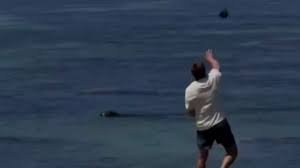
The suspect, identified as 38-year-old Igor Mykhaylovych Lytvynchuk from Covington, Washington, didn’t just disturb the animal—he actively targeted it. According to federal prosecutors, Lytvynchuk was filmed aiming and throwing a rock the size of a coconut directly at the seal. While the rock narrowly missed Lani’s head, the attack caused the animal significant distress and a sudden, violent change in behavior.
“Too Rich for Fines”: An Arrogant Defiance
What has truly fueled the public’s indignation is the suspect’s reaction. When a witness confronted Lytvynchuk about his cruel actions, he reportedly responded with chilling indifference, claiming he “didn’t care” and asserting that he was “rich enough to pay the fines.”
However, the legal system is proving that some crimes cannot be simply paid away. Agents from the National Oceanic and Atmospheric Administration (NOAA) tracked him down and arrested him near Seattle, proving that wildlife protection laws are enforced far beyond the shores of Hawaii.
The Heavy Price of Wildlife Harassment
Lytvynchuk now faces the reality of federal law. He is accused of harassment and attempted harassment of a protected species. If convicted, the penalties are severe:
- Imprisonment: Up to one year in prison for each count of harassment.
- Endangered Species Act Fine: Potential penalties reaching up to $50,000.
- Marine Mammal Protection Act Fine: Additional fines of up to $20,000.
Why the Hawaiian Monk Seal is So Special
The Hawaiian monk seal (phoque moine d’Hawaï) is not just any animal; it is one of the most endangered pinnipeds in the world. With only about 1,600 individuals remaining in the wild, every single seal, like Lani, is critical to the survival of the species.
Maui Mayor Richard Bissen took to social media to voice the community’s support for the animal, stating that the residents of Hawaii deeply care for their wildlife and will not tolerate those who harm them. “Lani, we stand with you,” Bissen declared.
For those interested in learning more about how to protect marine life, the World Wildlife Fund (WWF) provides excellent resources on biodiversity conservation and the importance of maintaining a safe distance from wild animals during travel.
Let this serve as a reminder: nature is not a playground, and the beauty of the wild is a privilege, not a target.



