
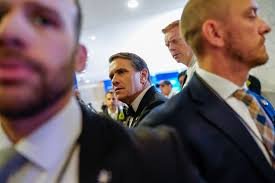
Todd Blanche and the DOJ: Navigating a Legal and Ethical Minefield
In the high-pressure corridors of the U.S. Department of Justice (DOJ), the line between loyalty and legality is often razor-thin. For Todd Blanche, the current Acting Attorney General, this line has become a professional tightrope. Having transitioned from being Donald Trump’s primary defense attorney to leading the nation’s top law enforcement agency, Blanche finds himself at the center of a swirling ethical storm.
The Recusal Dilemma: Loyalty vs. Law
Shortly after assuming his role in early 2025, Blanche received a sobering briefing from the Justice Department’s top ethics lawyer, Joseph Tirrell. The message was clear: to maintain the integrity of the office, Blanche must recuse himself from any legal matters involving President Donald Trump in his personal capacity.
For most, recusal is a standard procedural step. However, in the era of Donald Trump, it is a gamble. History recalls the tenure of former Attorney General Jeff Sessions, who faced significant presidential wrath after recusing himself from the Mueller investigation. Blanche now faces a grueling choice:
- n
- Option A: Oversee cases the President cares about, risking the legal viability of those cases in court due to conflicts of interest.
- Option B: Follow ethics guidelines and recuse himself, risking the displeasure of his superior and former client.
A Pattern of Purging: The Erosion of Ethics Oversight
The tension isn’t just personal; it’s institutional. Reports indicate a significant shift within the DOJ’s internal oversight. Joseph Tirrell, the very official who briefed Blanche on his ethical obligations, was fired in July. This move was part of a broader trend where career ethics staff and members of the Office of Professional Responsibility were removed and not replaced.
This vacuum of oversight raises critical questions. Legal experts, including those aligned with the American Bar Association standards, argue that without independent ethics advisers, the risk of insurmountable conflicts of interest increases significantly.
High-Stakes Targets and Controversial Interviews
While the DOJ maintains that Blanche is complying with ethical obligations, the practical application remains murky. A primary example is the investigation into former CIA Director John Brennan. Despite the general rule of recusal, reports suggest Blanche has not stepped away from this probe—a top priority for the Trump administration’s efforts to target perceived political foes.
Further complicating his image is a highly unusual move: Blanche’s interview with convicted sex trafficker Ghislaine Maxwell. During the prison visit, Blanche questioned Maxwell about her past interactions with Trump, which resulted in Maxwell stating the President had done no wrong. Such actions blur the line between a government official’s duties and a defense attorney’s goals.
Comparing Precedents: Is This Normal?
Conflicts of interest are not new to the DOJ. Previous administrations have handled similar situations:
- Lisa Monaco (Biden Admin): Recused herself from investigations involving Joe and Hunter Biden due to her previous transition team role.
- John Ashcroft (Bush Admin): Recused himself from the Valerie Plame leak investigation due to close political ties with the President.
The difference today, critics argue, is the breakdown of the traditional “firewall” between the White House and the Justice Department. When the President is also the primary client of the person leading the DOJ, the conflict may be, as some professors suggest, insurmountable.
The Bottom Line
As Todd Blanche continues his tenure as Acting Attorney General, the legal community remains watchful. While the immediate consequences of failing to recuse may be thin, the long-term damage could be profound. If decisions are made based on personal loyalty rather than legal merit, future defense attorneys may find ample ground to challenge the validity of DOJ prosecutions in court.
Ultimately, the check on this power may not come from within the DOJ, but from Congressional oversight and the public’s demand for a transparent and impartial justice system.



