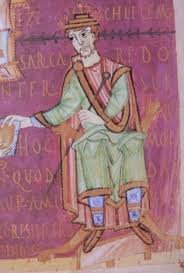
The Reign of Kings: Exploring Leadership, Legacy, and Modern Monarchies
For millennia, the figure of the king has captivated the human imagination. From the legendary kings of ancient mythology to the constitutional monarchs of today, the concept of kingship embodies power, authority, and a unique connection to history. But what does it truly mean to be a king in the 21st century? This article explores the evolution of kings, their enduring legacy, and the diverse roles they play in the modern world.
A History Forged in Power: The Rise of Kings
The earliest forms of kingship emerged from tribal societies, where strong leaders consolidated power through military prowess and religious authority. Figures like Gilgamesh of Sumer, often considered the earliest king in recorded history, represent this initial phase. Throughout ancient civilizations – Egypt, Greece, Rome – the role of the king evolved, often intertwined with divine right and absolute rule. The power wielded by these kings shaped empires, dictated laws, and influenced the course of history. Consider the impact of Alexander the Great, whose conquests spread Hellenistic culture across vast territories, or the Roman Emperors who built an infrastructure that continues to inspire today.
The Legacy of Kings: Beyond the Crown
The influence of kings extends far beyond their reigns. Their decisions, policies, and even personal lives have left an indelible mark on culture, art, and societal norms. Royal families have historically been patrons of the arts, fostering creativity and innovation. Think of the Medici family in Renaissance Italy, whose support for artists like Michelangelo and Leonardo da Vinci helped usher in a golden age of artistic achievement. Furthermore, the legal systems and administrative structures established by kings often form the foundation of modern governance. The Magna Carta, signed by King John of England in 1215, is a prime example of a document that limited royal power and laid the groundwork for constitutional law. Learn more about the Magna Carta on Britannica.
Modern Monarchies: Adapting to a Changing World
While absolute monarchies are largely a thing of the past, many constitutional monarchies continue to thrive today. These kings and queens serve primarily as symbolic heads of state, embodying national unity and tradition. The British Royal Family, for example, plays a significant role in national life, representing the UK on the world stage and providing a sense of continuity and stability. Similarly, the Scandinavian monarchies – Denmark, Norway, and Sweden – are highly respected for their commitment to public service and their ability to adapt to modern values. Their roles are less about wielding power and more about representing their nations with grace and dignity.
The Enduring Fascination with Kings
Why does the idea of a king continue to resonate with us? Perhaps it’s the inherent human desire for strong leadership, or the romantic allure of a bygone era. The stories of kings – their triumphs, their tragedies, their flaws – provide compelling narratives that explore universal themes of power, ambition, and mortality. From Shakespeare’s historical plays to contemporary television series like “The Crown”, the lives of kings continue to captivate audiences worldwide. The fascination isn’t just about the power; it’s about the human drama inherent in the role.
Looking Ahead: The Future of Kingship
As the world continues to evolve, the role of the monarchy will undoubtedly continue to adapt. While the days of absolute rule are over, the symbolic importance of kings and queens is likely to endure. Their ability to represent national identity, promote cultural heritage, and provide a sense of stability will remain valuable assets in an increasingly complex world. The future of kingship may be different, but the legacy of kings will continue to shape our world for generations to come.