
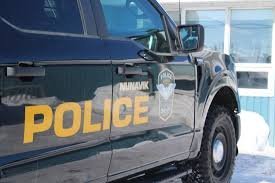
A Systemic Failure? The Tragic Case of a Missed Wellness Check in Nunavik
A heartbreaking incident in the remote village of Umiujaq, Nunavik, has sparked a serious debate regarding police protocols and the efficacy of “wellness checks.” A recent report by coroner Me Geneviève Thériault has brought to light concerning gaps in how the Nunavik Police Service (SPN) handles calls for welfare, potentially leaving vulnerable citizens at risk.
The Timeline of a Tragedy
The events leading up to the discovery of 39-year-old Patrick (name changed for privacy) reveal a series of missed warning signs and procedural hesitations:
- n
- August 1, 2025: Patrick reached out to the SPN for transport to the Umiujaq health centre. He reported feeling weak, confused, and unable to eat for several days, citing excessive alcohol consumption. While medical staff suspected a situational crisis, no physical anomalies were found, and Patrick returned home.
- August 5, 2025: A concerned relative contacted the police after Patrick made “distressing remarks.” Officers arrived at the home and knocked, but there was no answer. After a brief call with the relative—who stated they weren’t worried for his immediate life—the officers left without forcing entry. No further action was taken for three weeks.
- August 27, 2025: Following a second wellness check request, officers forced their way into the home. They discovered Patrick’s body in a state of advanced decomposition.
The Coroner’s Findings: A Lack of Clear Guidelines
According to the autopsy, the exact cause of death could not be determined due to the state of the body, though the coroner presumes a natural death occurred around August 5—the same day the first police visit took place.
Me Geneviève Thériault expressed deep “concerns regarding the steps taken by the Nunavik Police Service agents” during that initial visit. The core of the issue? A lack of clear directives. The coroner noted that SPN agents currently lack a standardized framework to determine when a wellness check warrants forced entry, leaving too much to discretion or the interpretation of a third party.
The Path Forward: Improving Public Safety in Northern Quebec
While the coroner admitted it is impossible to say for certain if Patrick could have been saved had the police entered on August 5, the goal now is to ensure this scenario never repeats. To prevent future tragedies, the coroner has formally recommended that the police service establish strict, written protocols for wellness checks.
These guidelines would include:
- n
- Clear criteria for when forced entry is mandatory.
- Standardized risk assessment tools for officers on the scene.
- Follow-up procedures when a subject remains unreachable.
For those interested in how public health and safety are managed in remote regions, resources from the Public Health Agency of Canada provide insight into the unique challenges faced by Northern communities.
This case serves as a sobering reminder that in the most remote corners of Canada, the difference between a routine check and a life-saving intervention often comes down to the clarity of a police protocol.



