
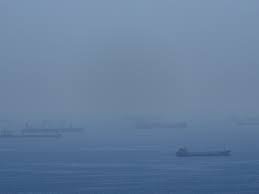
Strait of Hormuz Crisis: Iran Threatens Closure Amid Escalating US Tensions
The geopolitical atmosphere in the Middle East has reached a critical boiling point. In a move that has sent ripples through global energy markets, the Islamic Revolutionary Guard Corps (IRGC) has issued a stark ultimatum: the Strait of Hormuz will remain closed until the United States ceases its blockade of Iranian ports.
This escalating standoff between Iran and the U.S. is not merely a regional dispute; it is a high-stakes game of maritime chicken that could have devastating consequences for the global economy.
The IRGC’s Ultimatum: A Strategic Standoff
The core of the current conflict lies in the tension between Iranian sovereignty and U.S. foreign policy. The IRGC has made it clear that the reopening of one of the world’s most vital shipping lanes is contingent upon a specific demand: the immediate lifting of the U.S. blockade on Iranian ports.
This move signals a shift toward more aggressive tactical maneuvers, using the Strait as a primary lever of power to force a change in American policy. For analysts, this represents a dangerous escalation in the ongoing “shadow war” between the two nations.
Why the Strait of Hormuz is a Global Chokepoint
To understand why the phrase “Iran war Hormuz” is trending, one must understand the strategic importance of this waterway. The Strait of Hormuz is perhaps the most critical maritime chokepoint in the world for several reasons:
- n
- Oil Volume: A significant portion of the world’s total oil consumption passes through this narrow strip of water daily.
- Market Volatility: Any disruption in traffic immediately triggers a spike in crude oil prices globally.
- Trade Dependency: Numerous Asian economies depend almost entirely on this route for their energy security.
Potential Global Implications
If the IRGC follows through with a prolonged closure, the impact would be felt far beyond the borders of the Middle East. From gas prices at the pump in Canada to manufacturing costs in Europe, the ripple effect of a closed strait would be systemic.
Economists warn that such a move could lead to:
- Hyper-inflation in energy-dependent sectors.
- Supply chain disruptions for liquefied natural gas (LNG).
- Increased military presence in the Persian Gulf, raising the risk of accidental direct conflict.
Conclusion: A Fragile Balance
The world now watches with bated breath as diplomacy struggles to keep pace with military threats. Whether the U.S. will pivot its strategy or if the IRGC will maintain its grip on the Strait remains to be seen.
For real-time updates and deep-dive reporting on the evolving situation in the Middle East, we recommend following high-authority sources such as Al Jazeera English for the latest live coverage.



